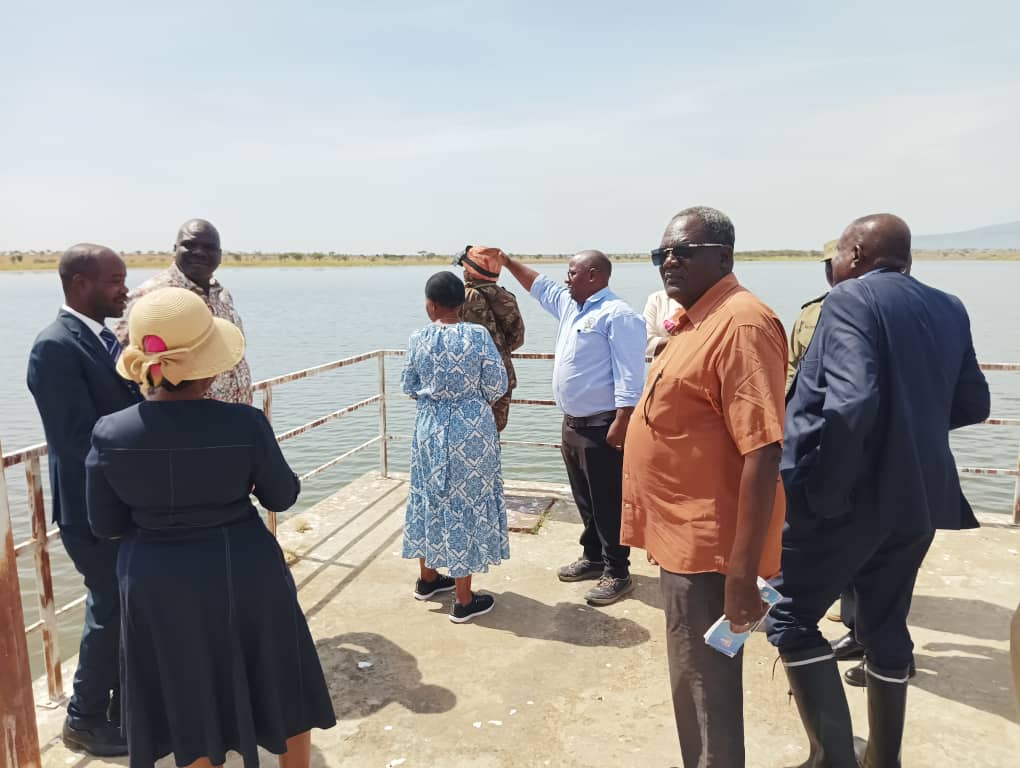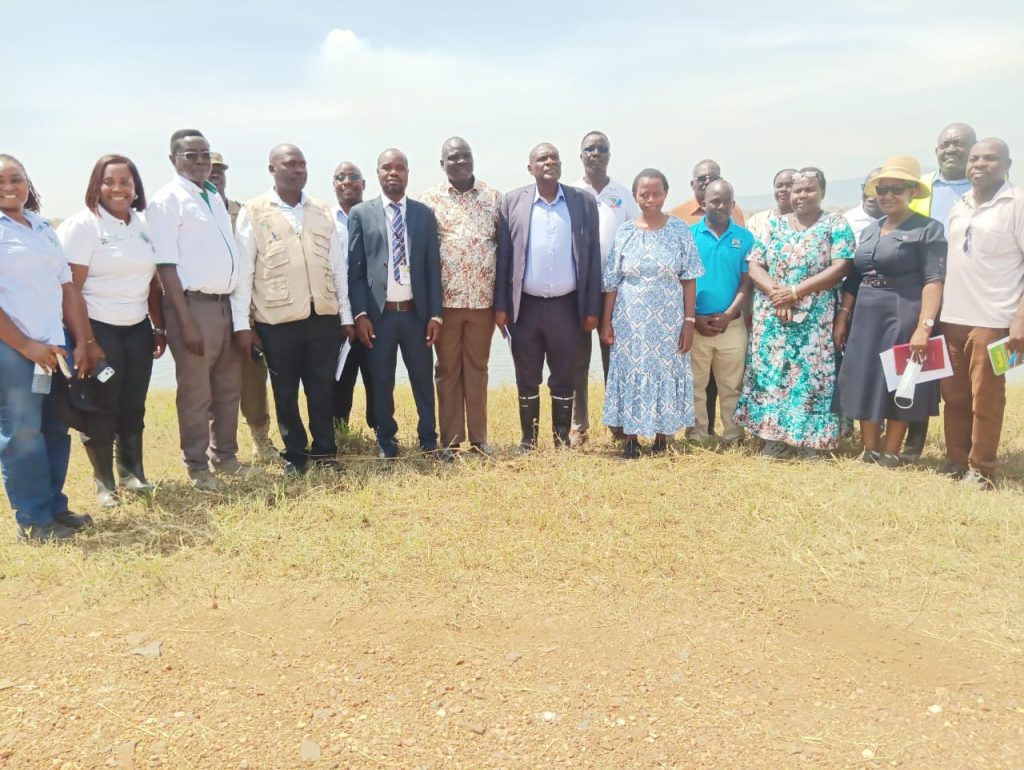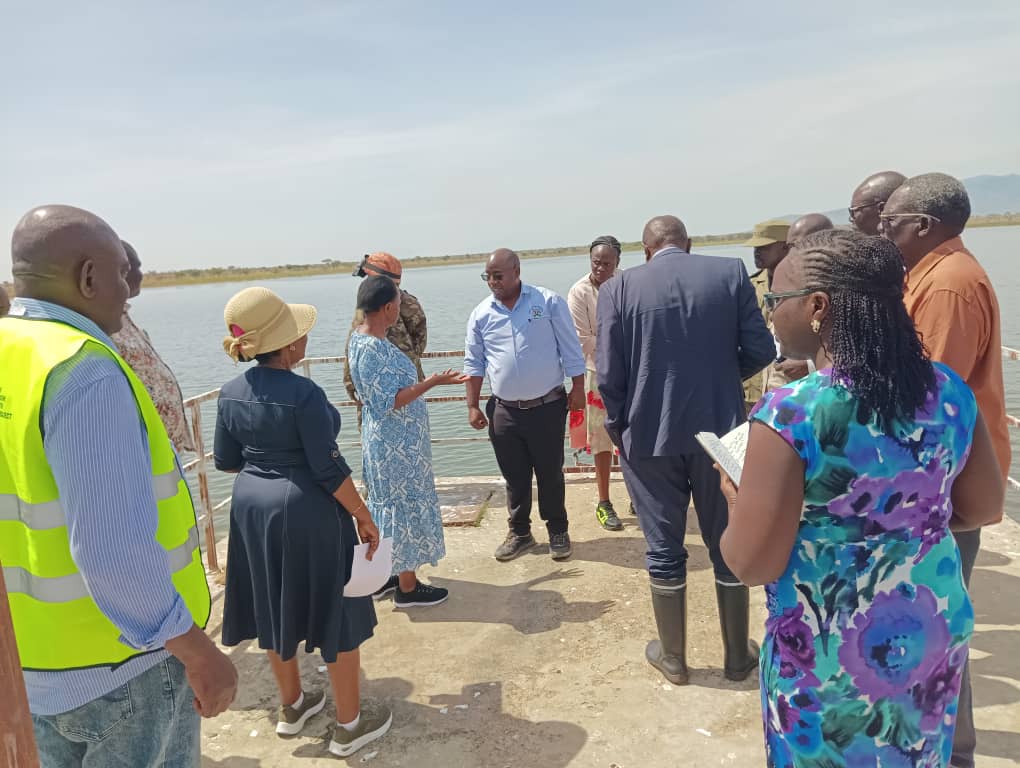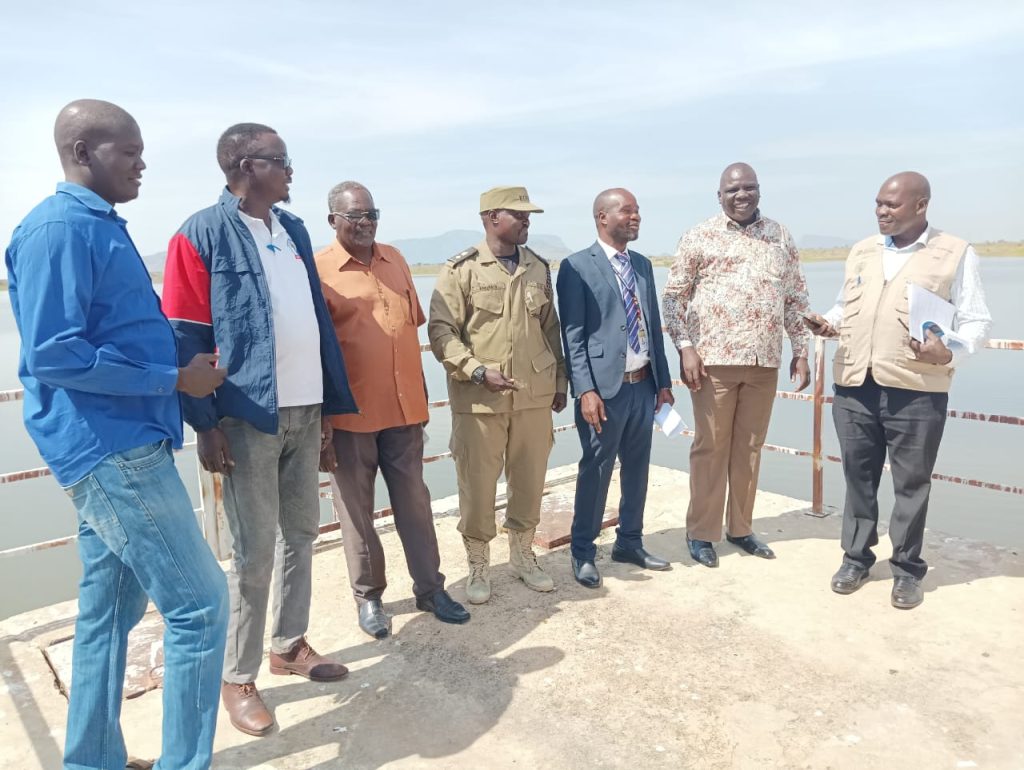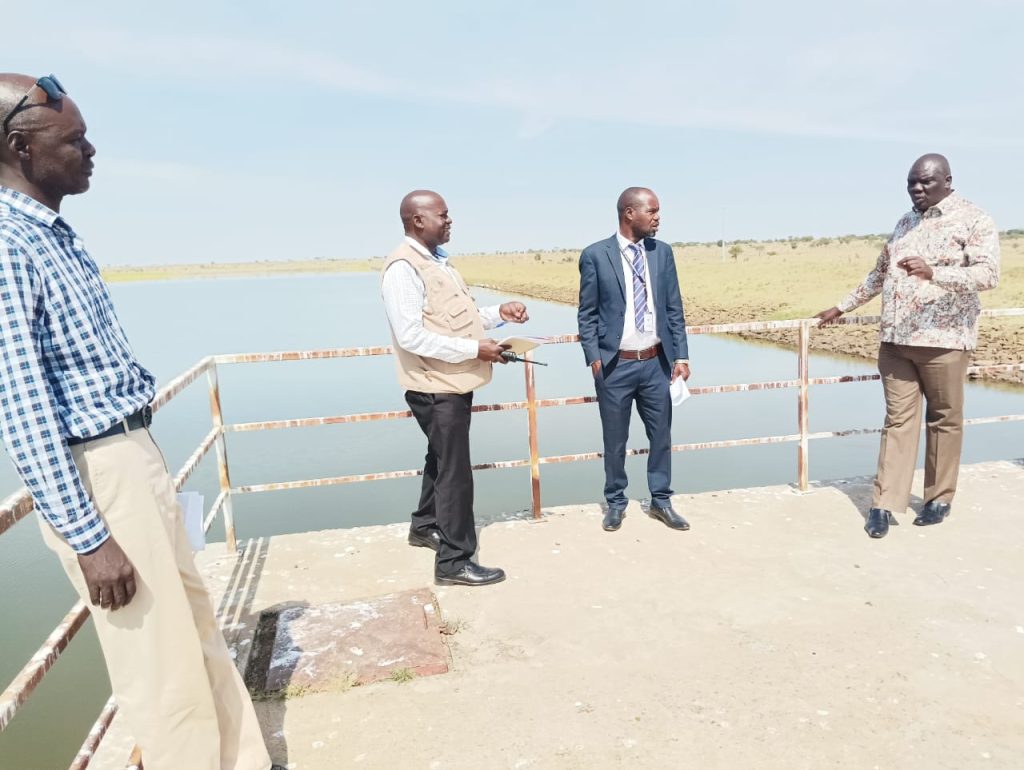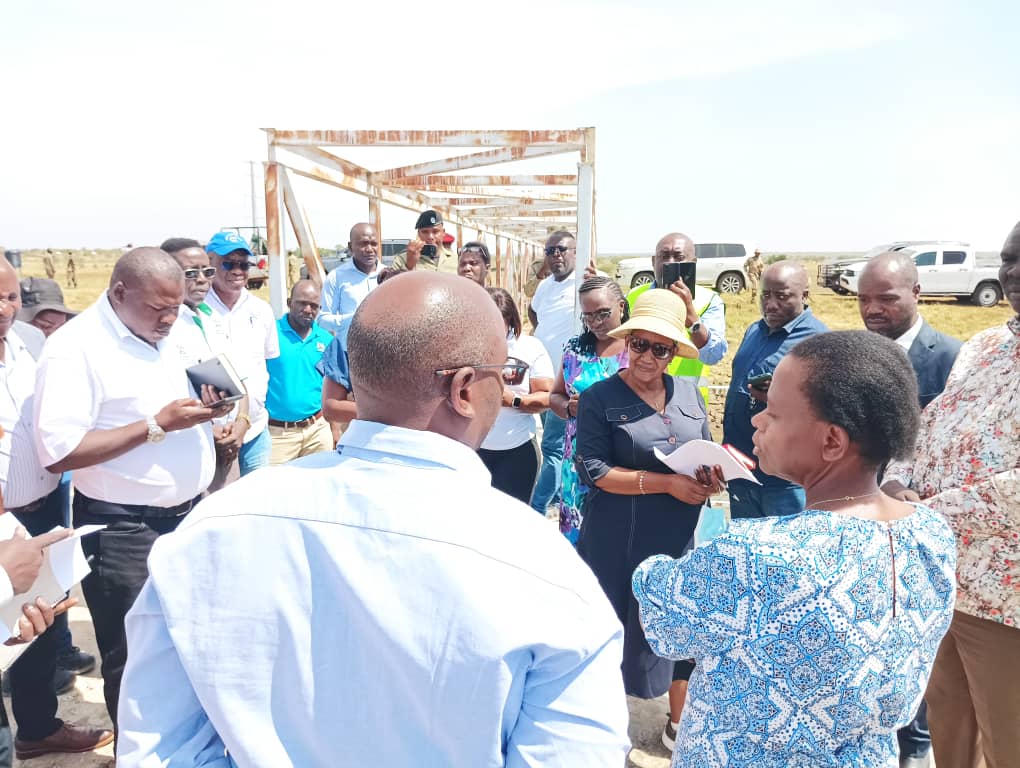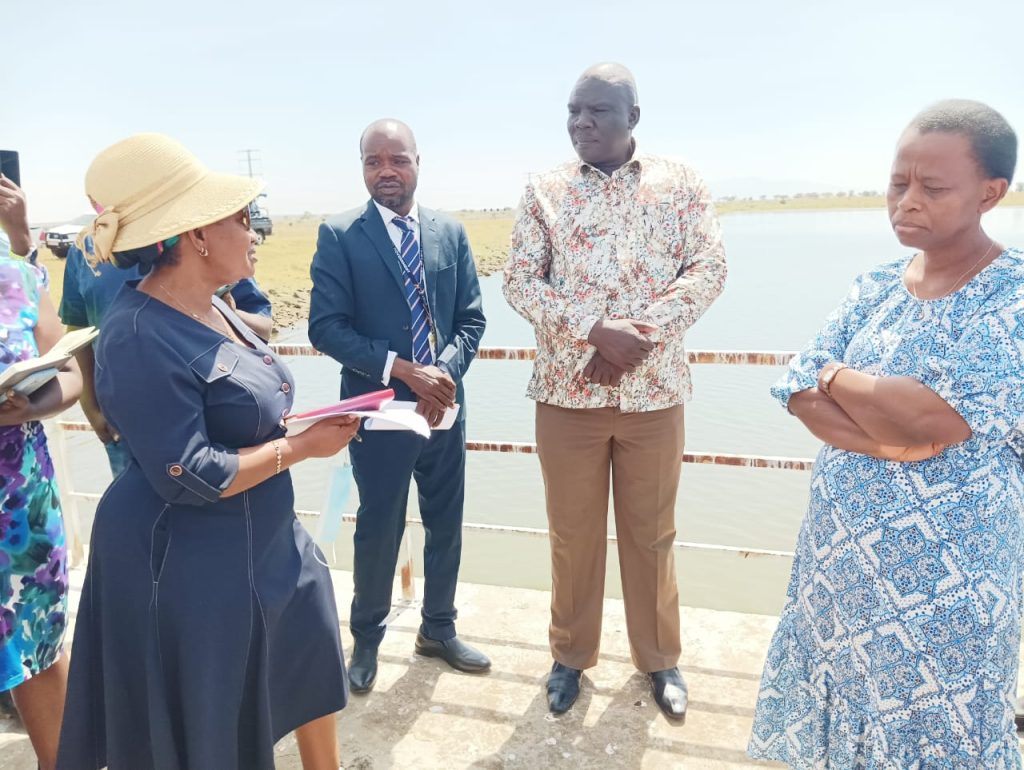
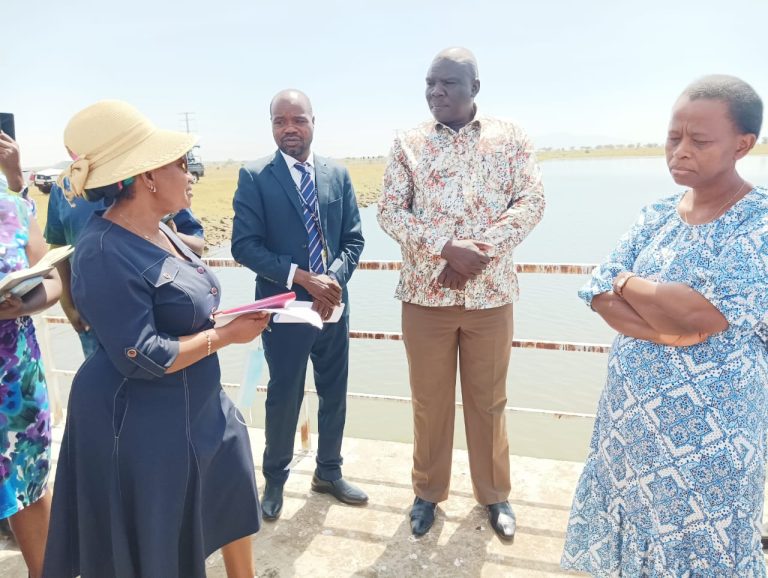
On Wednesday, 26 August 2026, the Head of Public Service and Secretary to Cabinet, accompanied by the Deputy Head of Public Service, officials from the Ministry of Water and Environment, Ministry of Agriculture, Animal Industry and Fisheries (MAAIF), Office of the Prime Minister (OPM), President’s Office and other senior government officials, visited Arechek Dam in Napak District.
The field monitoring exercise was aimed at assessing the status, quality and functionality of the dam, identifying systemic challenges affecting service delivery, and proposing measures to enhance efficiency, accountability and sustainability of public investments.
Arechek Dam is a multipurpose water facility constructed in 2010 and technically commissioned in 2011. The project was funded by the Government of Uganda at an estimated cost of UGX 6.68 billion. The dam has an estimated storage capacity of 2.1 billion liters and has continued to support communities and livestock in Napak and neighboring areas.
The facility serves multiple purposes, including livestock watering, crop irrigation, aquaculture, domestic water supply and support to agricultural production. Notably, the dam has remained functional without drying up since its establishment.
Napak District Chairperson, Hon. John Paul Kodet , described Arechek Dam as one of the successful government investments in the district.
“This is one of the successful projects since 2010,” Hon. Kodet said.
He explained that the dam has become an important source of water for livestock, particularly during the dry season.
“During the dry season, more than 2,000 livestock access the dam daily for watering at the cattle troughs located one kilometer downstream of the dam,” he explained.
According to the Chairperson, the livestock accessing the facility come not only from Napak but also from neighboring districts and areas, including Moroto, Amudat, Kotido, Abim and parts of Kenya.
Beyond livestock watering, the dam provides domestic water through tap stands to surrounding communities, especially in an area where groundwater potential is limited. It also supports small-scale farmers with irrigation water, enabling them to grow vegetables and other crops such as onions, spinach, Sukuma wiki, watermelons, eggplants and cabbages. The agricultural activities contribute to household food security and income generation.
The dam also supports fishing activities, which are managed by Matany Sub County Local Government.
A Climate Adaptation Learning Centre established at the site by GIZ also provides a platform for training farmers on climate-resilient agricultural practices, including raising seedlings and adapting farming systems to changing climatic conditions.
The Chief Administrative Officer, Robert Abia Owili, appreciated the Government of Uganda for investing in water infrastructure across Napak and the wider Karamojong Sub-region.
“This dam has been so helpful to our people and livestock,” the CAO said.
He appealed for additional investments in dams across the district, noting that increased access to water for production could significantly transform agriculture and reduce food insecurity.
“If Napak is provided with two more dams like Arechek, our people will concentrate on agriculture using irrigation, and we shall reduce food insecurity in the region,” Abia added.
The Deputy Head of Public Service in charge of Performance and Service Delivery, Jane K. Mwesiga, urged district leaders to identify strategic points where water from the dam can be extended closer to communities to support production.
“District leaders should identify points for water to be extended from the dam to near the community for production,” Mwesiga said.
She further encouraged the district to work closely with agricultural extension workers to train farmers on the proper utilization of irrigation water and promote productive use of the facility.
Maintenance and Sustainability
The monitoring team also emphasized the importance of maintaining the dam and ensuring that government investments remain functional and beneficial to communities for generations.
Several stakeholders have responsibilities in the management and maintenance of Arechek Dam. The Ministry of Water and Environment provides policy oversight, technical support and major rehabilitation works. Napak District Local Government is responsible for community mobilization, dispute resolution, minor maintenance and remuneration of dam caretakers, while Matany Sub County Local Government monitors and manages the day-to-day use of the facility, including fishing activities.
The monitoring team noted that continued collaboration among the responsible institutions, communities and other stakeholders is essential to ensuring the sustainability of the dam and maximizing its benefits.
The Ministry of Water and Environment further revealed that the Government plans to construct another dam in Lopeei Sub county, Napak District. According to the ministry representative, the proposed facility is expected to have a capacity approximately ten times that of Arechek Dam.
The planned investment is expected to further expand access to water for livestock, irrigation, domestic use and other productive activities, supporting the district’s efforts to strengthen food security, improve livelihoods and build resilience to climate-related challenges.