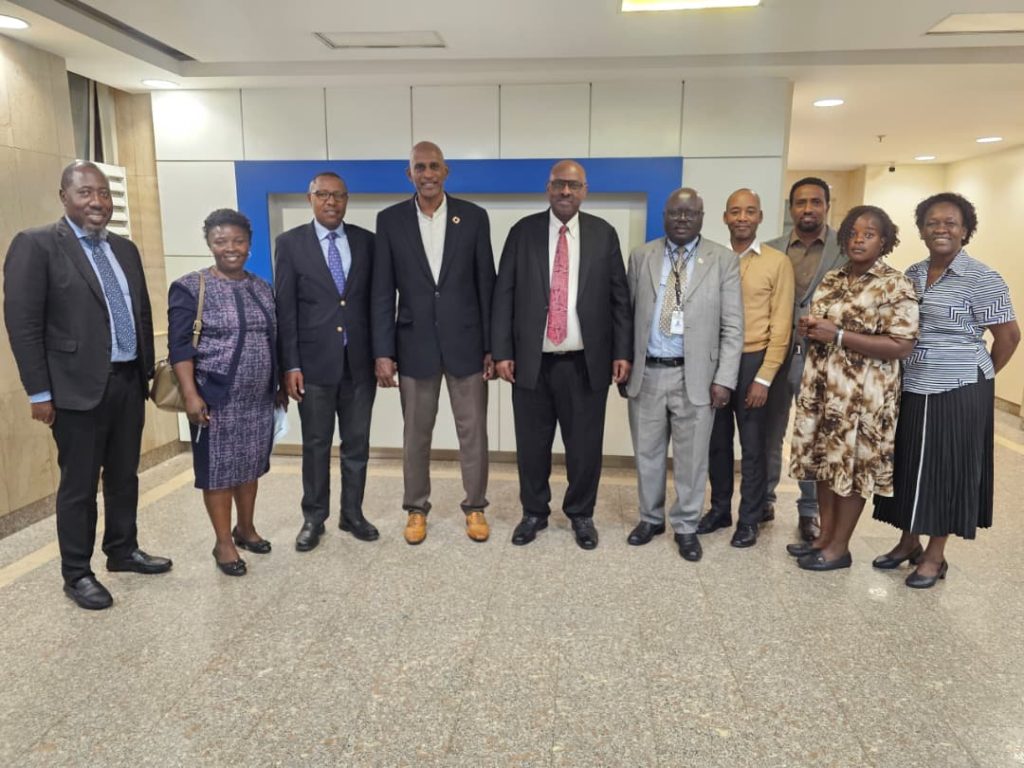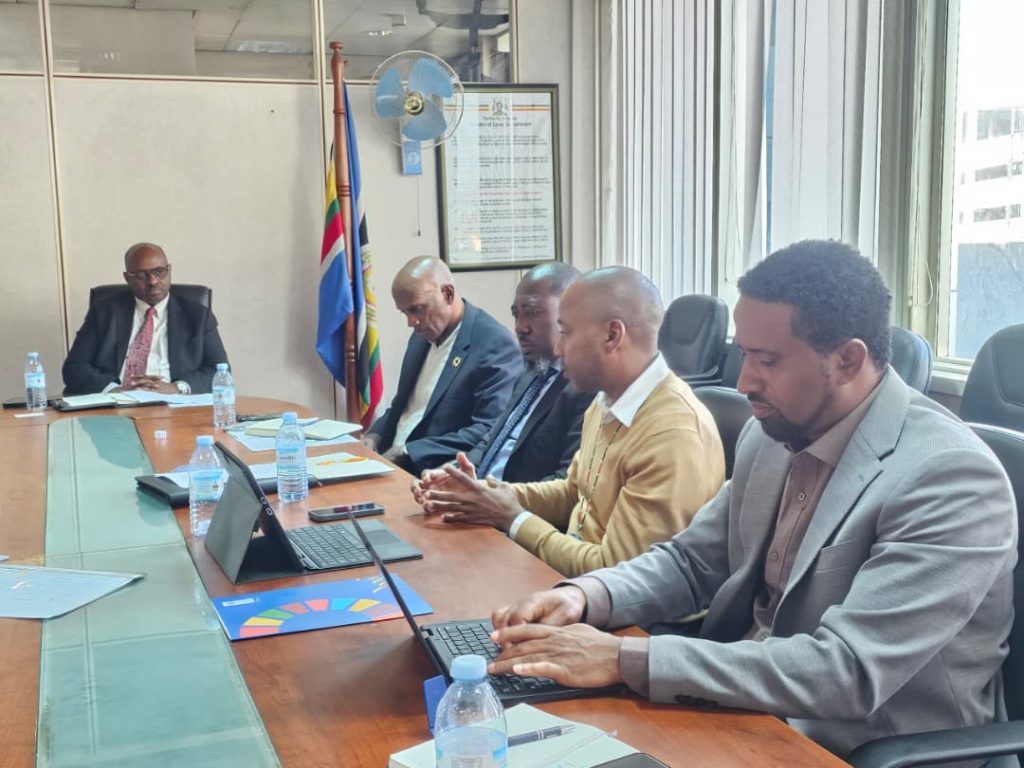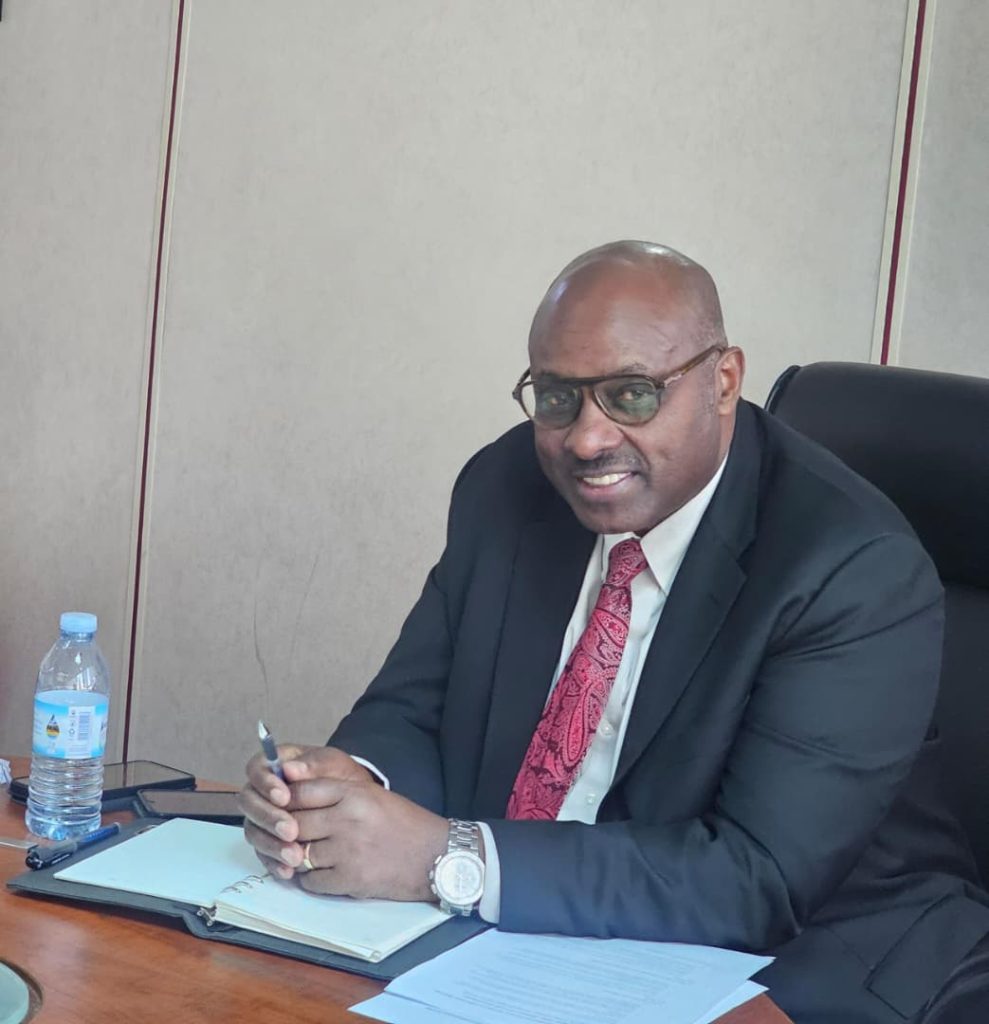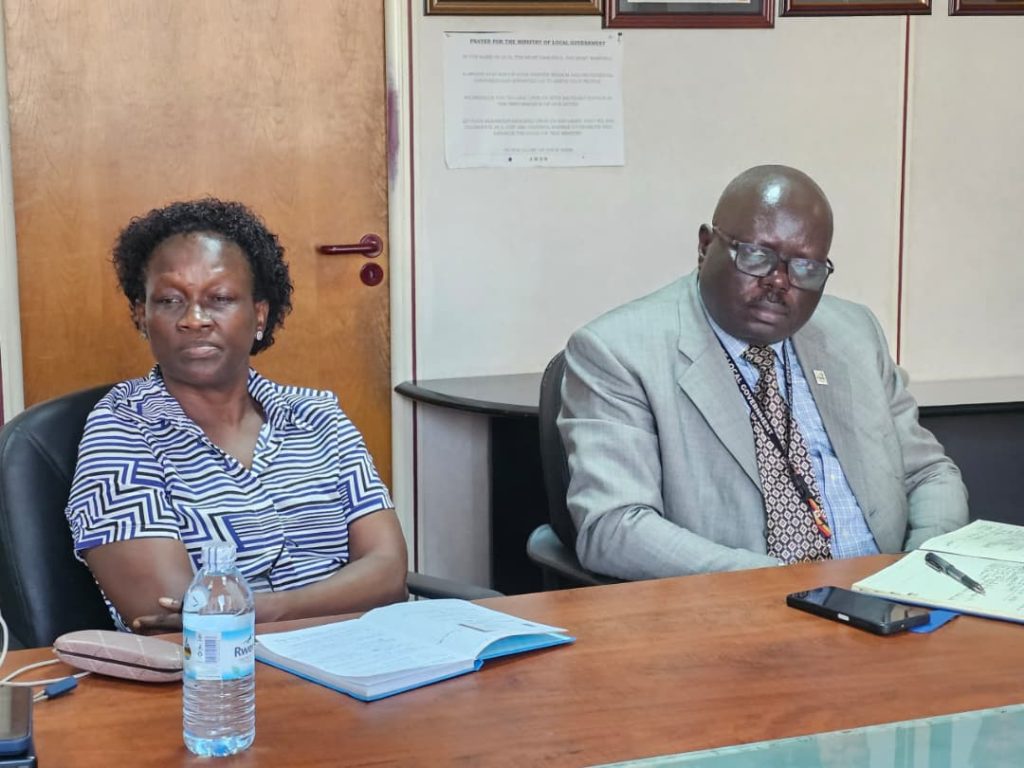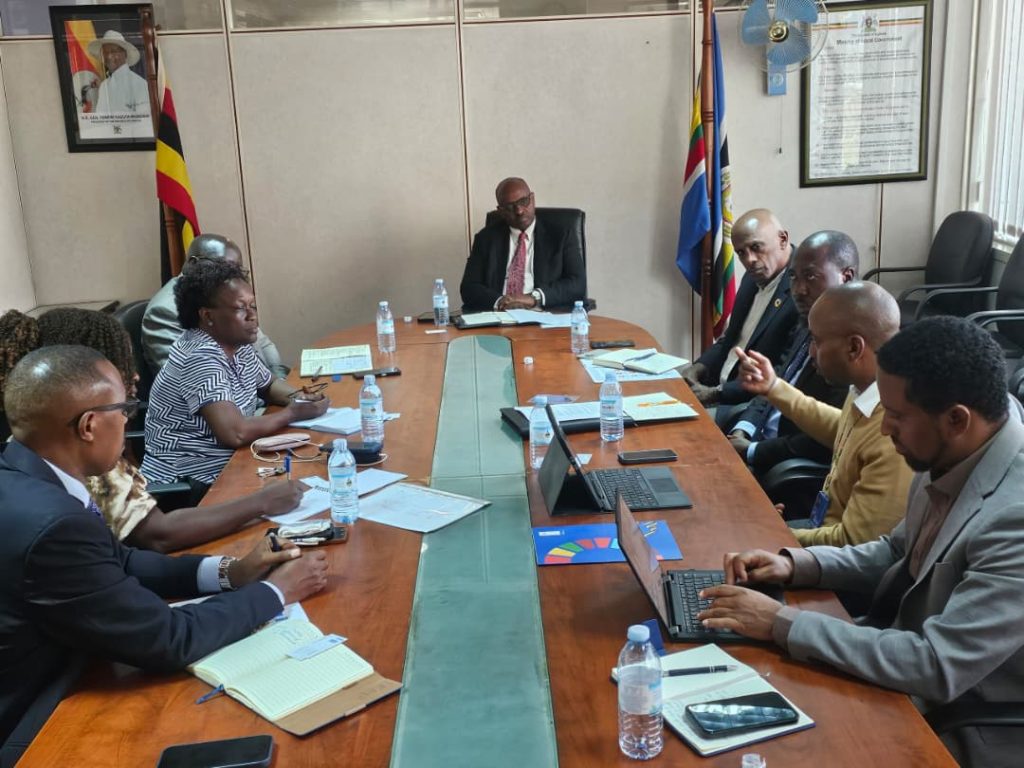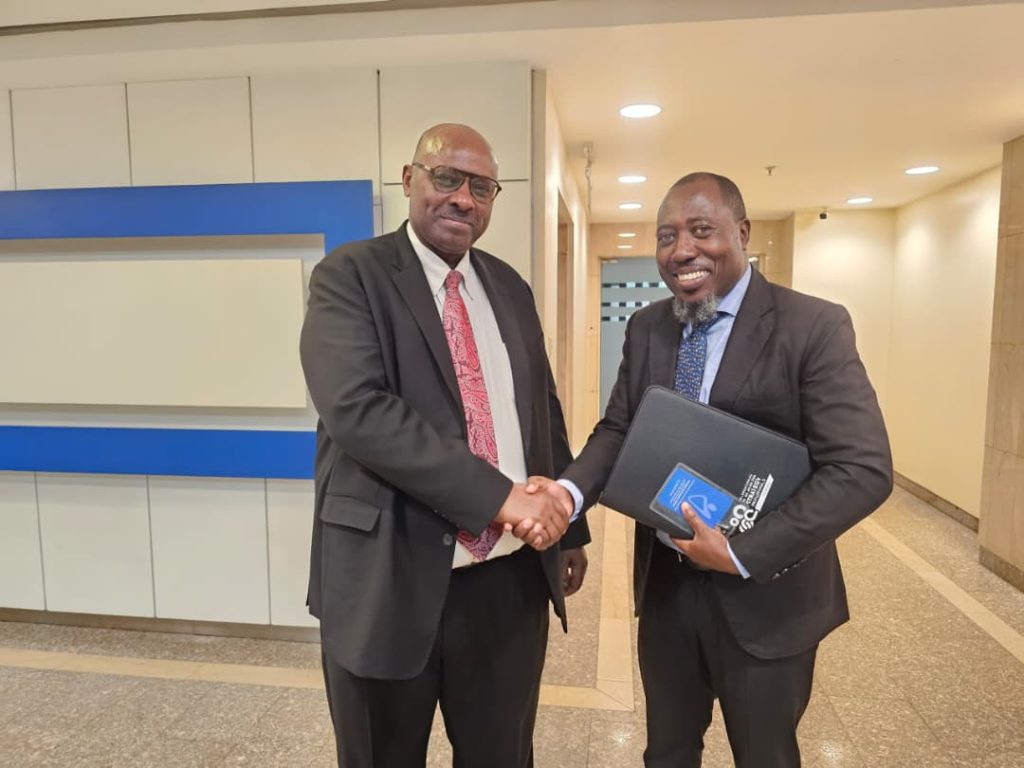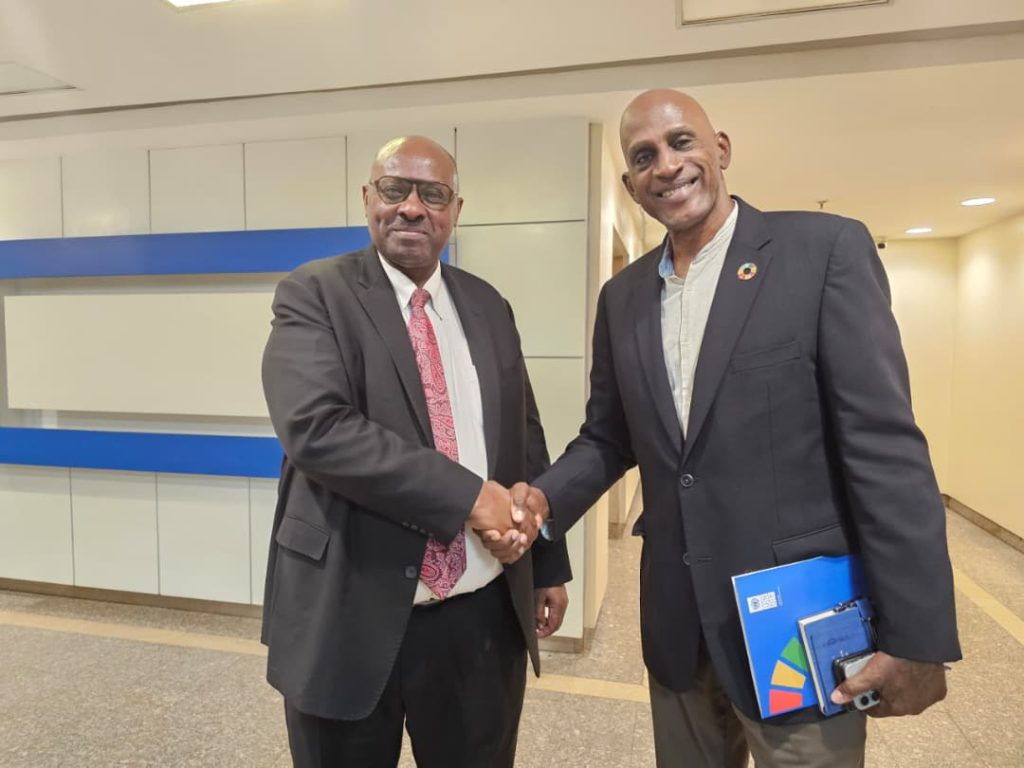
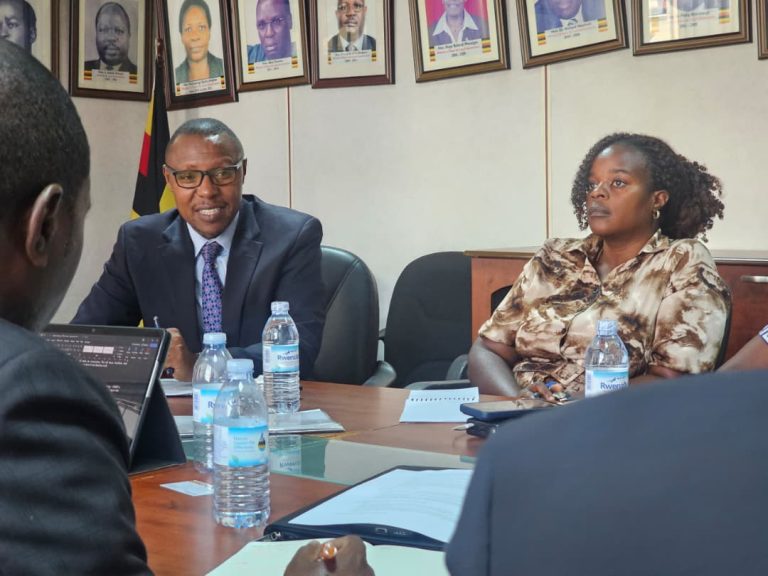
The Permanent Secretary, Ministry of Local Government, Ben Kumumanya, this evening chaired a coordination meeting with the Ministry of Trade, Industry and Cooperatives, UNDP and other relevant partners to discuss and agree on the way forward for the finalisation and country validation of the Resilient Trade and Socio-Economic Integration as a Pathway to Peace in the Great Lakes Region (REST-GLR) Programme.
The REST-GLR Programme brings together Angola, Burundi, the Democratic Republic of Congo (DRC), Kenya, Rwanda, South Sudan, Tanzania, Uganda and Zambia nine countries working to strengthen trade, livelihoods, investment, regional cooperation and resilience as pathways to peace and socio economic development.
Discussions focused on how Uganda can strategically position itself to take advantage of the region’s major trade and economic corridors, identify priority areas where the country can derive greater value, and strengthen linkages between local production, markets, investment and cross border trade.
The programme is built around seven interconnected corridor clusters: Lake Tanganyika Blue Economy, Kivu Urban Trade, Northern Great Lakes Gateway, West Nile Triborder, Rwanda-Burundi Agroeconomy, Juba-Nimule-Mombasa, and the Lobito Corridor.These corridors connect communities and businesses to national, regional and global markets, creating opportunities across agriculture, fisheries, mining, tourism, logistics and trade.
The meeting further considered the need to translate the regional framework into practical country priorities, particularly by identifying opportunities for investment, enterprise development, value addition, cross border trade and improved livelihoods in Uganda’s borderland communities.
In his role of mobilising and coordinating Uganda’s contribution to the process, PS Kumumanya emphasised the need for a structured national approach, including putting together a working committee to coordinate the required documentation, consolidate inputs from relevant institutions, identify priority interventions and support resource mobilisation for implementation.
The discussions are expected to contribute to the completion of Uganda’s country validation process, which will feed into the final Multi-Country REST-GLR Programme Document. The validated framework is intended to complement the UN Integrated Strategy for the Great Lakes Region and its Plan of Action, with country-specific work plans to be endorsed by the respective ministries responsible for coordination.
Patrick Mugisha, Commissioner for Business Development at the Ministry of Trade, Industry and Cooperatives, noted that Uganda’s focus should be on turning the opportunities presented by the regional corridors into tangible economic benefits for Ugandan businesses and communities.
The REST-GLR process gives us an opportunity to look beyond the movement of goods and examine how Uganda can strategically position its producers, businesses and communities along these corridors. We need to identify our priority areas, strengthen value addition and market linkages, and ensure that the opportunities created by regional trade translate into investment, jobs and improved livelihoods for Ugandans.
The meeting brought together stakeholders from key Government institutions and development partners, with representation from the Ministry of Agriculture, Animal Industry and Fisheries (MAAIF); Ministry of Internal Affairs, including Immigration; security agencies; Customs Department of the Uganda Revenue Authority (URA); Ministry of Trade, Industry and Cooperatives; Ministry of Finance, Planning and Economic Development; Ministry of Energy and Mineral Development, among others.
The REST-GLR initiative is supported by regional and international partners including ICGLR, EAC, COMESA, the Office of the Special Envoy of the UN Secretary General for the Great Lakes Region and UNDP, with the broader objective of strengthening regional integration, expanding economic opportunity and building resilience and sustainable peace across the Great Lakes Region.