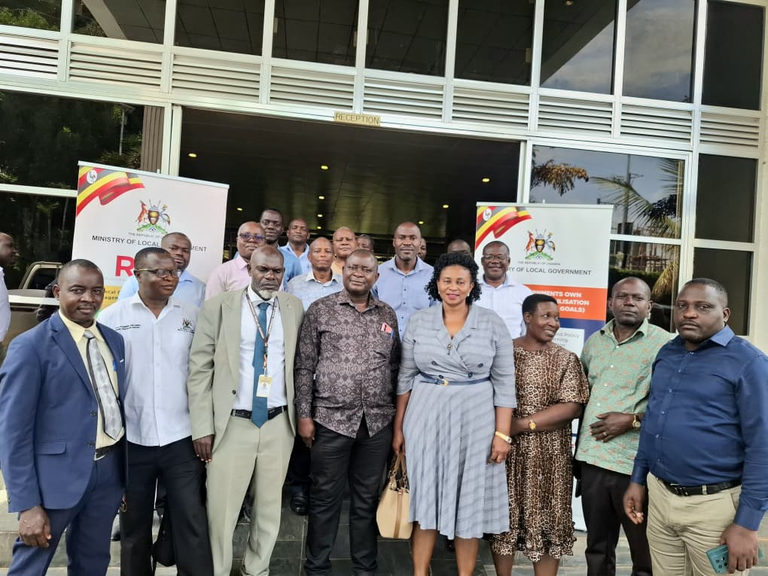
The Permanent Secretary, Ministry of Local Government, Ben Kumumanya, has called on local governments to strengthen their capacity to identify and mobilise revenue, saying locally generated revenue is critical to sustaining service delivery and local development.
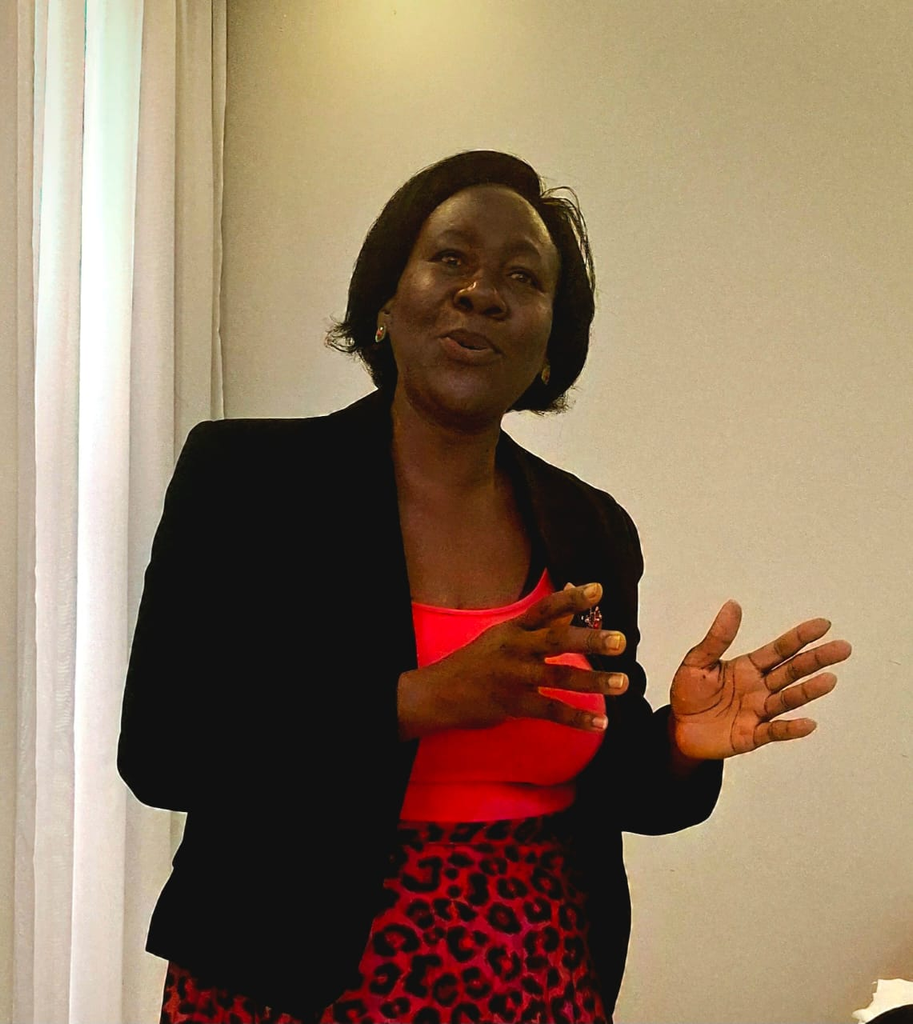
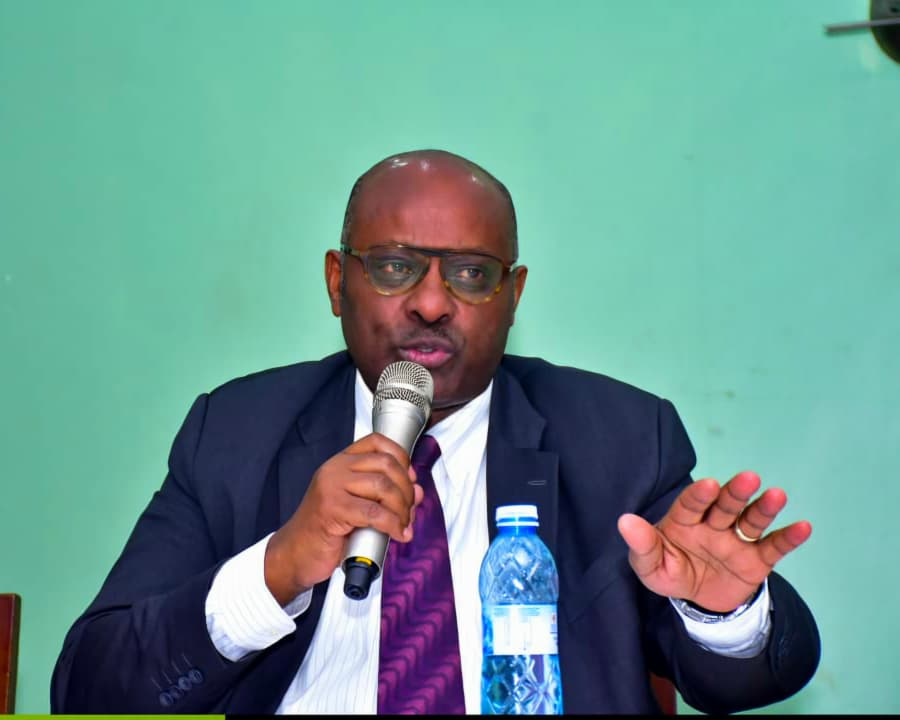
Kumumanya made the remarks in his closing address at the five-day Local Revenue Enhancement Plan Training Workshop held in Masaka from September 28 to October 2, 2026. His remarks were delivered by the Principal Inspector in the Ministry of Local Government, Ruth Gyayo, who closed the workshop.
“Local revenue is an important component of Local Government financing and contributes to the sustainability of service delivery and local development,” Kumumanya said.
“We must therefore strengthen our capacity to identify revenue opportunities, mobilise available revenue and manage it transparently.”
He urged local government economic planners and finance managers from the Greater Masaka Subregion to move from training to implementation, calling for revenue enhancement plans that are practical, measurable and informed by actual performance.
“As you return to your respective Local Governments, my message to you is simple: let us move from training to implementation,” he said.
The call comes as the training highlighted weaknesses in local revenue mobilisation, including poor data, manual systems, weak enforcement and limited accountability.
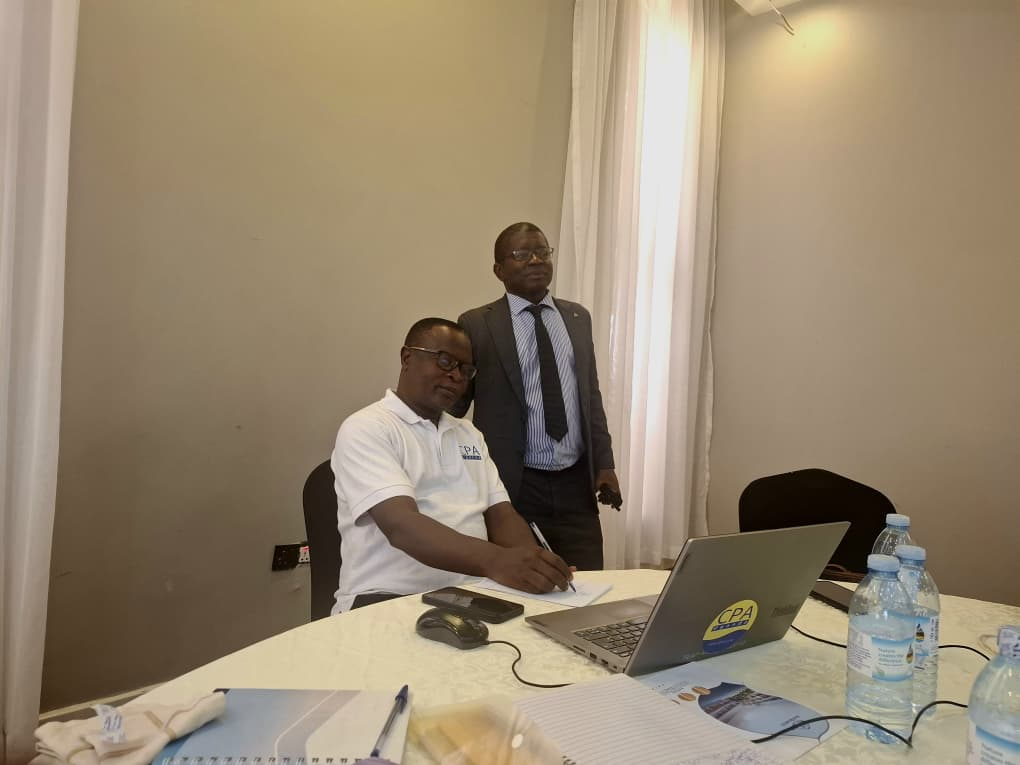
A financial management consultant Patrick Kandole, who conducted the training, noted that a key starting point for local governments is knowing who should be paying taxes.
“You cannot collect what you cannot identify,” Kandole said during the training, urging local governments to build reliable revenue databases, digitise revenue sources and strengthen enforcement and compliance systems.
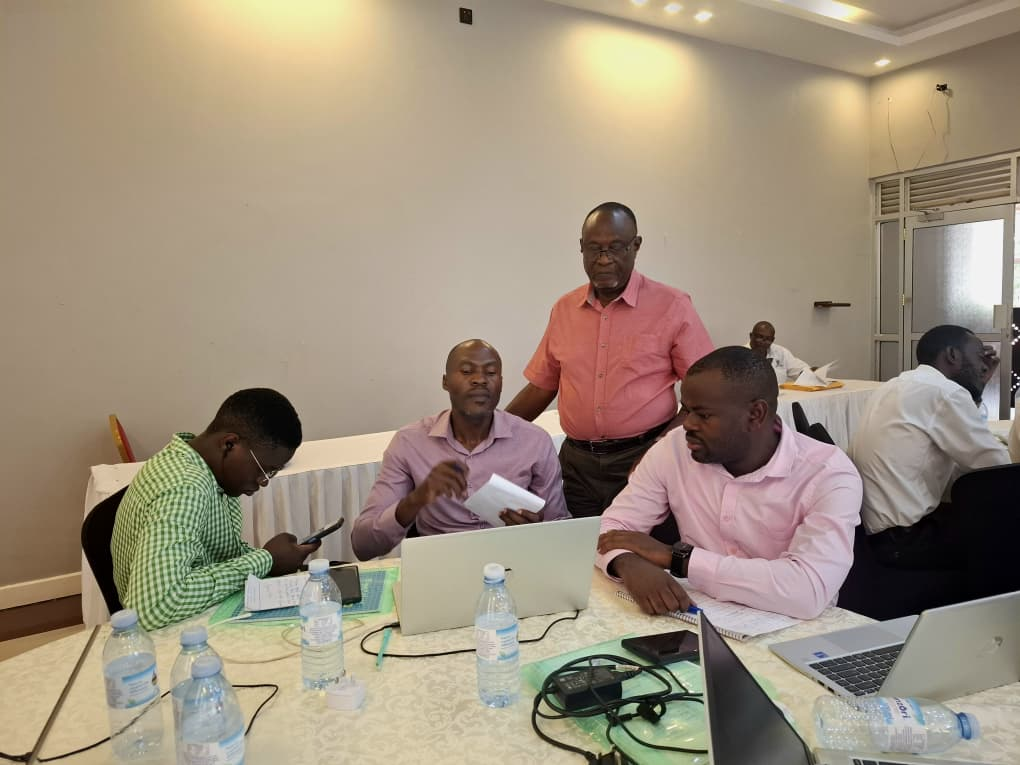
Kandole emphasised the need to link improved revenue collection to better public services, with participants developing revenue projections, reform plans and work plans for implementation.
Kumumanya said the ultimate measure of the training should be tangible improvements in revenue performance, accountability and service delivery, rather than simply the number of people trained or plans produced.
He advised the leaders to organise regular public barazas or meetings to explain how the taxes collected have been spent. “The same way you feel good when your child comes home with a good report, is the same way taxpayers feel when you account for their money,” he said.
He cautioned the trainees to minimise the expenses involved in collecting taxes.
“It would be meaningless if the cost of tax collection is higher than the revenue generated,” Kumumanya stressed.
Joyce Babirye
Principal Communication Officer
Ministry of Local Government