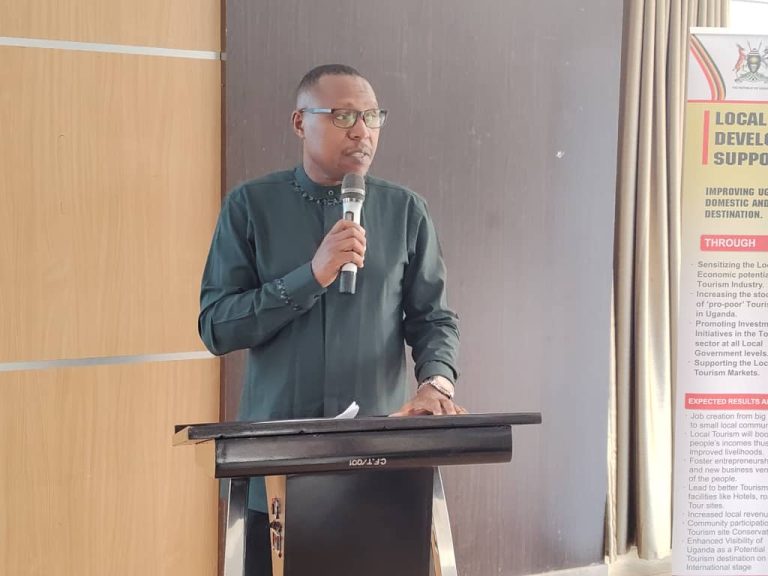
Jinja City, 29 September 2026 – The Ministry of Local Government has called for stronger collaboration between Government, the private sector, financial institutions, development partners, civil society and communities to accelerate household income growth and Local Economic Development (LED) in the Busoga Sub-Region.
The call was made by Mr. Namara Anthony, Commissioner for Local Economic Development in the Ministry of Local Government, while representing the Permanent Secretary, Ministry of Local Government, Mr. Ben Kumumanya, at the ongoing workshop on Strengthening State–Non-State Partnerships for Agricultural Extension, the Parish Development Model (PDM) and Local Economic Development in Busoga Sub-Region.
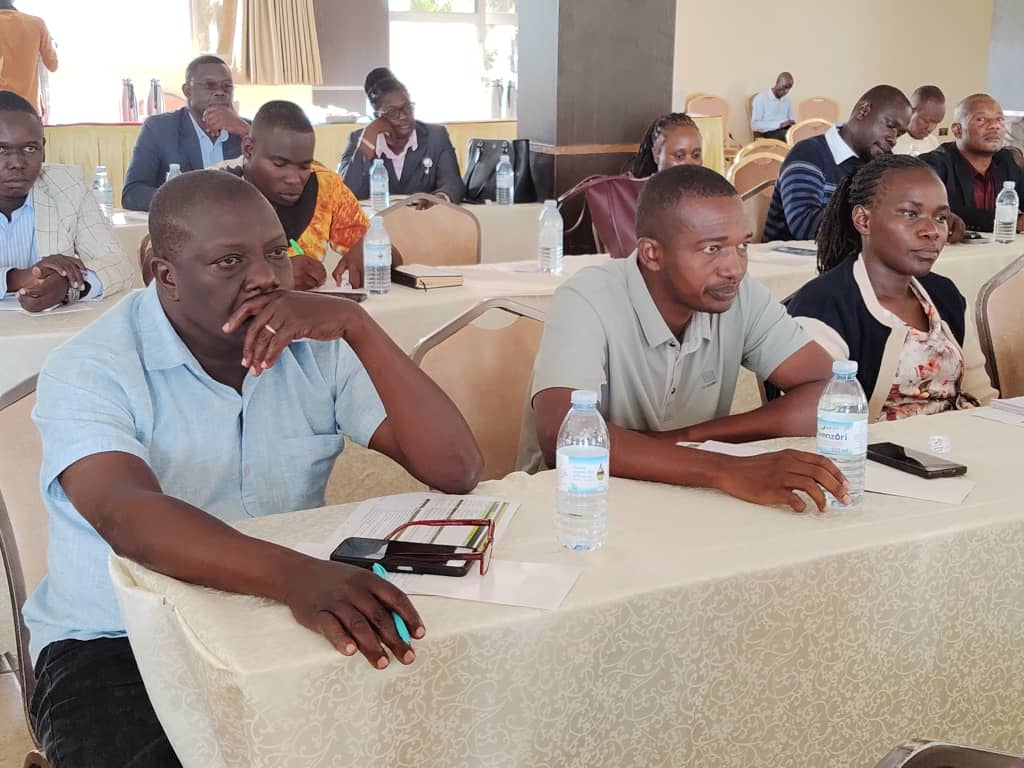
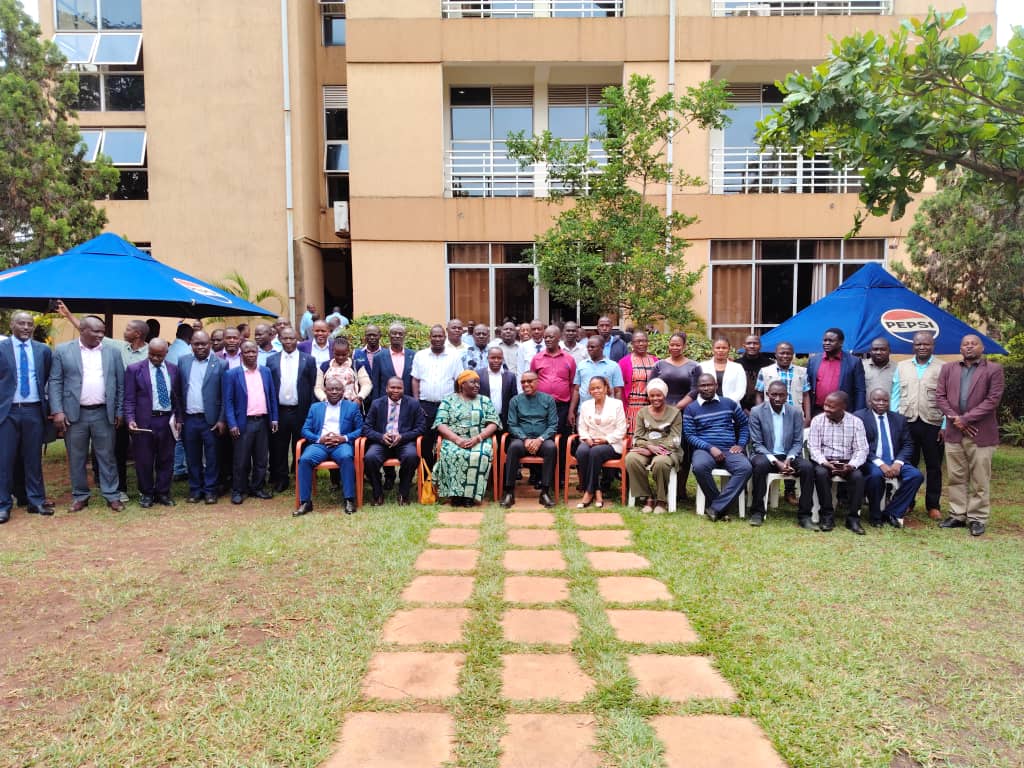
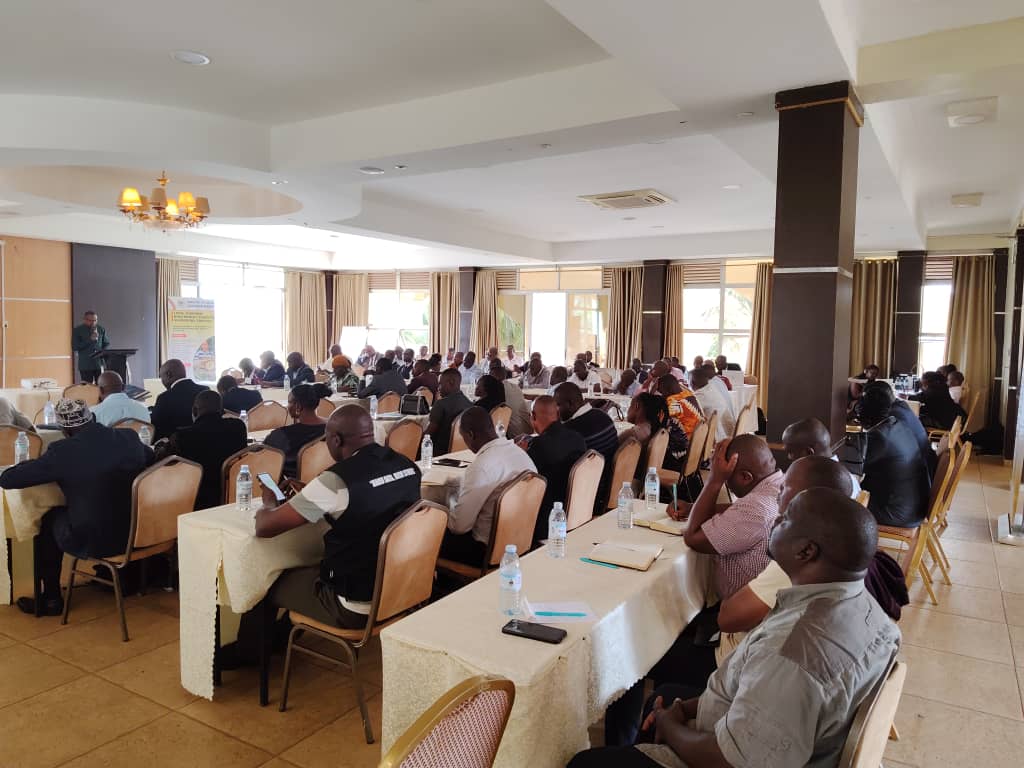
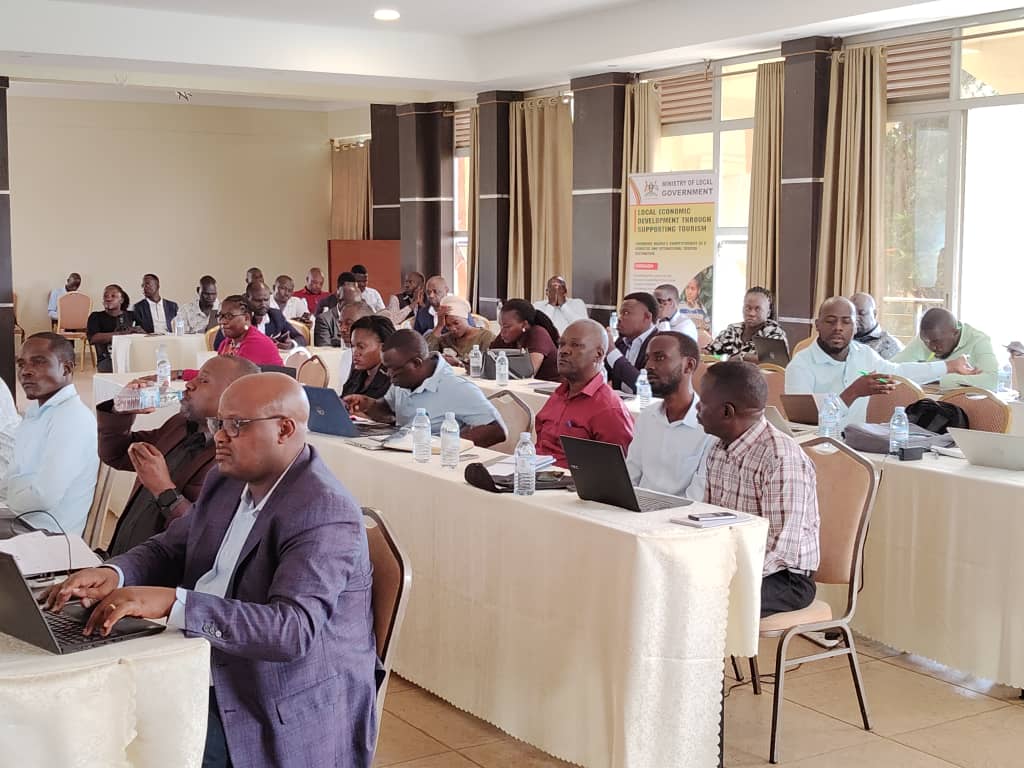
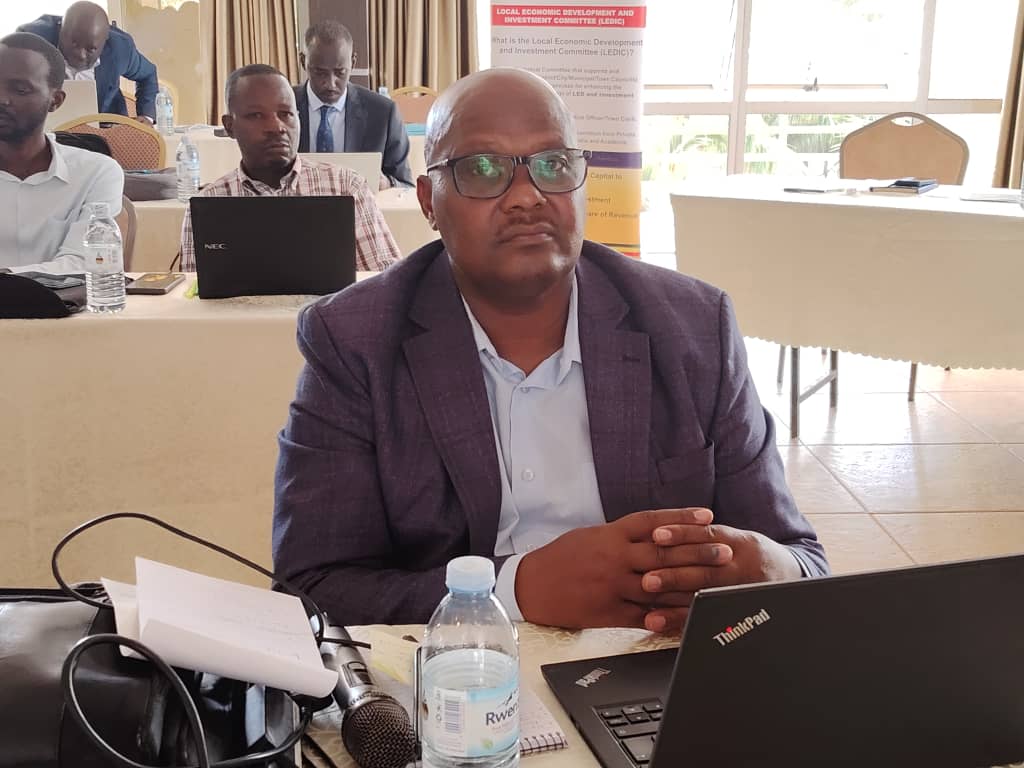
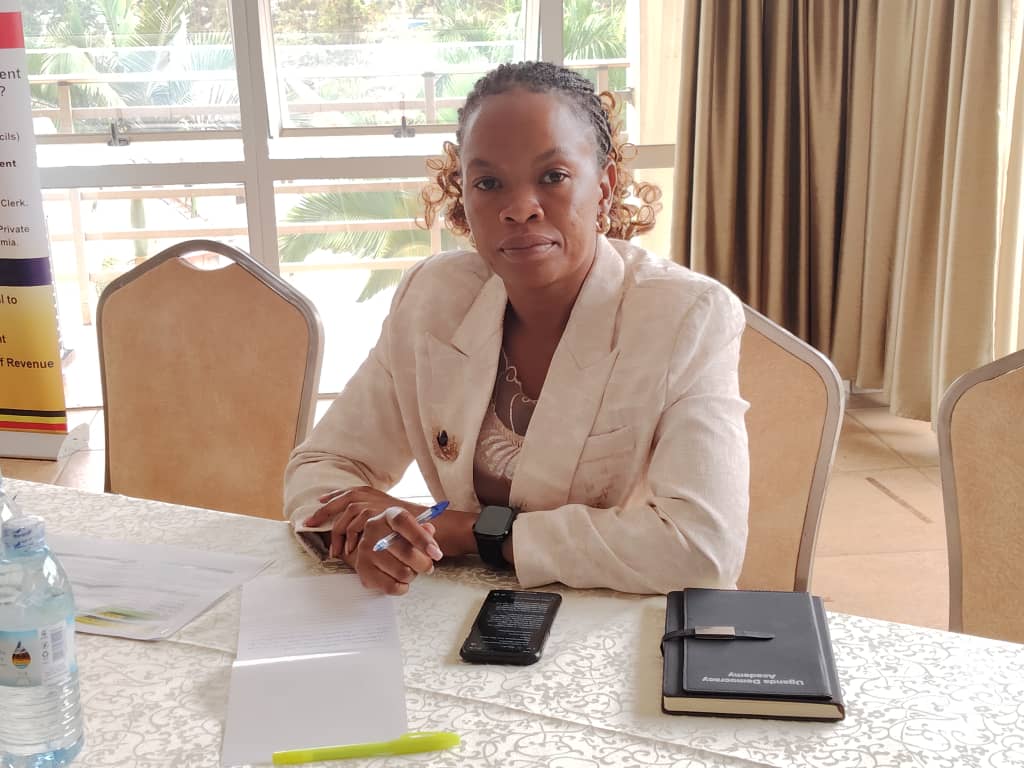
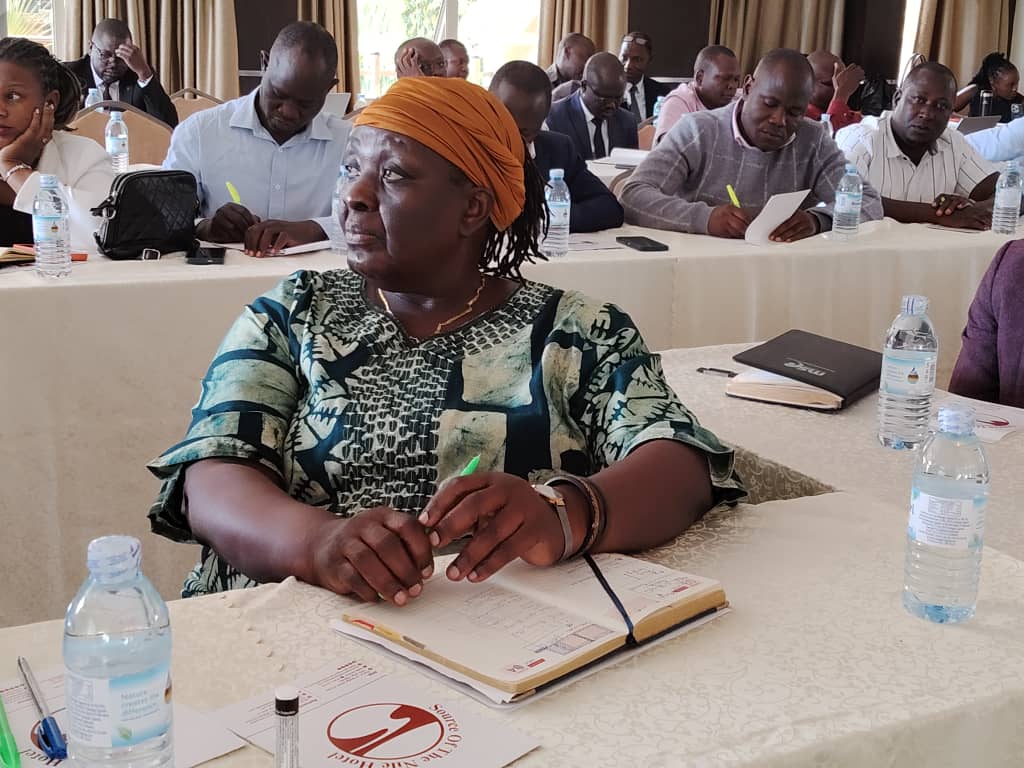
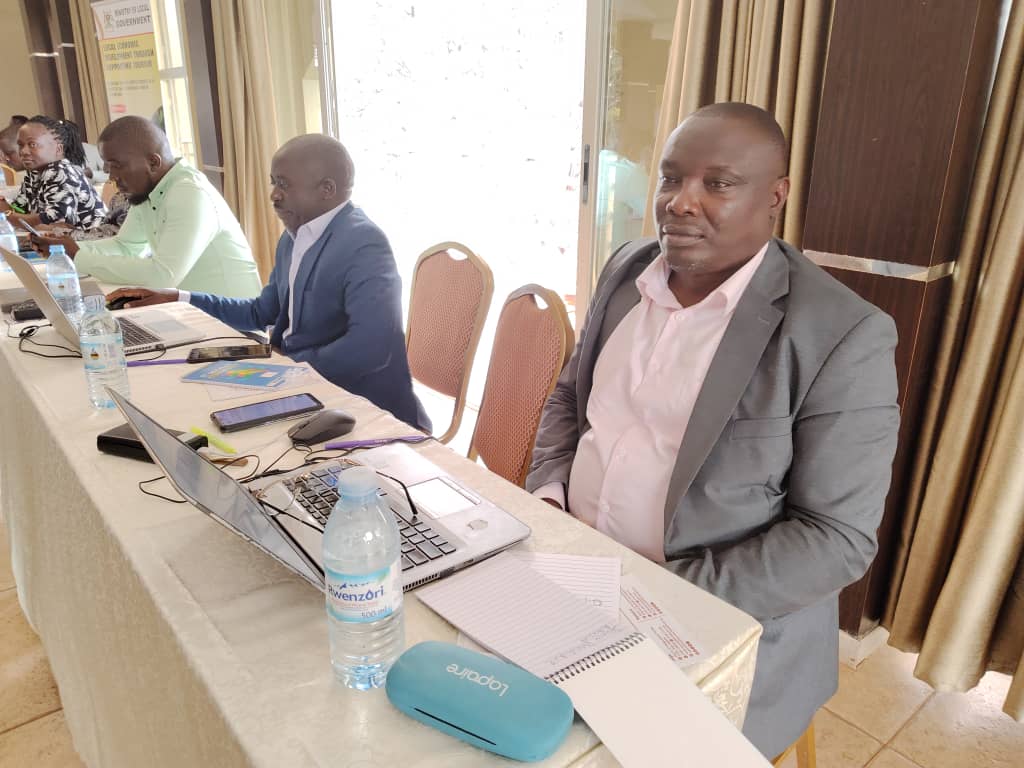
The two-day workshop, being held in Jinja City, has brought together a broad range of stakeholders involved in local economic transformation, including Chief Administrative Officers, Town Clerks, District Production and Extension Officers responsible for crop husbandry and veterinary services, Planning Department officials, local farmers and farmer groups, Ministry of Finance, Planning and Economic Development’s Financial Inclusion Support Unit, development partners, financial institutions, civil society organisations and other non-state actors.
Also in attendance is former Vice President of Uganda, Dr. Specioza Wandira Kazibwe, who currently serves as a Senior Presidential Advisor and has maintained a significant role in engagements concerning the development of the Busoga Sub-Region.
Mr. Namara said Busoga possesses significant economic potential, including fertile agricultural land, water resources, a hardworking population, human capital, a strategic location and access to growing markets. However, he noted that the sub-region continues to face economic challenges that require coordinated interventions.
Citing the Uganda National Household Survey of 2019/20, he noted that monetary poverty in Busoga stood at 29.4 percent, compared to 20.3 percent nationally at the time.
He observed that behind these statistics are households facing challenges such as low returns from agriculture, limited employment opportunities for young people, difficulties faced by women operating small enterprises and Agro-processors seeking access to finance and reliable markets.
Mr. Namara said these challenges underline the need to move beyond discussions about poverty towards creating sustainable economic opportunities for communities.
Government Interventions Must Connect to Economic Opportunities
He highlighted Government interventions aimed at improving household incomes, increasing production, supporting enterprise development and expanding financial inclusion, including the Parish Development Model, Emyooga, the Youth Livelihood Programme, the Uganda Women Entrepreneurship Programme, GROW and other agricultural and economic development initiatives.
He said the Parish Development Model provides an important mechanism for supporting households to move from subsistence production into the money economy.
However, he stressed that programmes alone cannot transform livelihoods unless they are connected to practical economic opportunities.
“People need access to appropriate enterprises, technical support, finance, markets, technology and value addition,” he said, emphasising the importance of Local Economic Development in creating an enabling environment for sustainable economic activity.
Local Economic Development as a Driver of Transformation
Mr. Namara described Local Economic Development as an important approach for bringing together the different elements required for economic transformation.
He challenged stakeholders to identify what Busoga has and determine how its assets can be converted into jobs, businesses and higher household incomes.
This, he said, requires identifying the sub-region’s comparative advantages, priority value chains, investment opportunities and markets, while bringing together the institutions and resources necessary to develop them.
He explained that LED helps connect farmers to extension services, production to finance, farmers to markets, raw materials to value addition, businesses to investment and economic opportunities to employment.
PDM and LED Should Work Together
The Commissioner emphasised that the Parish Development Model and Local Economic Development should complement each other.
He explained that while PDM provides an important mechanism for household-level economic transformation, LED provides a broader framework for creating an enabling environment for enterprises, investment, employment and markets.
He noted that providing financing to farmers should go hand in hand with technical support to ensure productive utilisation of the funds. Similarly, increased production should be supported by aggregation, storage, reliable markets and, where commercially viable, processing and value addition.
“This is how household transformation becomes local economic transformation,” he said.
Call for Market-Oriented Agricultural Extension
Mr. Namara also called for strengthened and increasingly market-oriented agricultural extension services.
He said extension services should go beyond advising farmers on how to produce and also address questions of what to produce, who will buy it, the quality required by the market, access to inputs and finance, opportunities for value addition and how agriculture can become a profitable business.
He said this would require extension services to become increasingly market-oriented and enterprise-focused.
Government Alone Cannot Deliver Economic Transformation
The Commissioner said Government alone cannot provide all the resources, technology, expertise, finance and markets required to transform the economy of Busoga.
He therefore called for stronger participation by Local Governments, the private sector, financial institutions, development partners, civil society, producer organisations and communities.
“Each of us has a piece of the solution. Our responsibility is to bring those pieces together,” he said.
He stressed that partnerships should go beyond attending meetings together and should be based on shared objectives, clear roles and responsibilities, resources, timelines and measurable results.
Need to Maximise Public Investments and Value Addition
Mr. Namara further challenged stakeholders to assess the functionality and utilisation of Agricultural Production Facilities and other public investments.
He said stakeholders should examine whether the facilities are functional, fully utilised, properly managed and responsive to the needs of producers, while exploring, where appropriate, opportunities for private-sector participation in improving their management, utilisation and sustainability.
He emphasised that public investments should create public value.
He also called for greater attention to priority value chains where value addition can create jobs, enterprises and higher household incomes.
“Busoga should not only produce agricultural commodities. We must increasingly ask what we can process locally, what businesses we can create and how much additional value we can retain within the local economy,” he said.
Workshop Should Produce Practical Action Points
Mr. Namara urged participants to make the workshop practical and action-oriented by moving beyond identifying challenges to identifying opportunities, solutions, responsible institutions, resources, timelines and the partnerships required to deliver results.
He said the engagement should culminate in a clear understanding of the priority economic opportunities in Busoga, the challenges affecting them, the actors responsible, the resources required and the results expected.
He observed that Busoga has the people, land, resources and markets needed for economic transformation, but the key task is to connect these assets to economic opportunities.
He said the success of Government programmes will depend on effective coordination and the ability to connect communities to finance, technology, markets, value addition and investment.
He called on stakeholders to use the workshop to move from production to profitable production, from subsistence to enterprise, from raw materials to value addition, and from isolated interventions to strong partnerships, ultimately creating sustainable economic opportunities for the people of Busoga.
The two-day workshop brings together Local Government officials, development partners, private-sector representatives, financial institutions, civil society, non-state actors and agricultural extension officers to strengthen partnerships and improve the implementation of agricultural extension services, PDM and LED in the Busoga Sub-Region.
Mr. Namara thanked participants for their commitment and declared the workshop officially opened, urging them to engage constructively and work towards practical outcomes that can contribute to improved livelihoods and economic development in the sub-region.