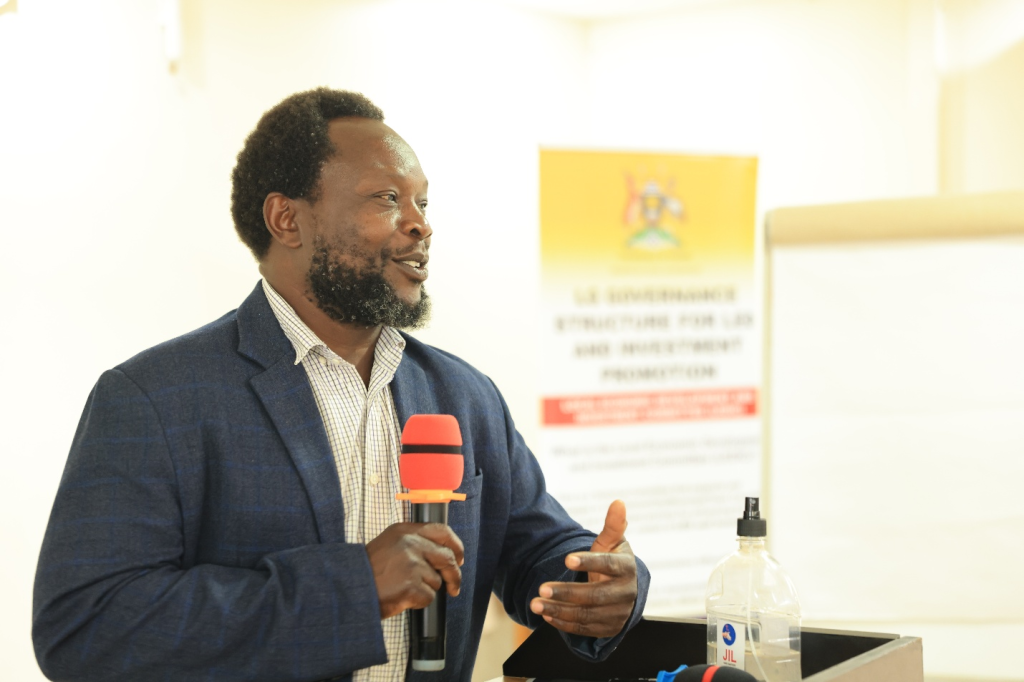
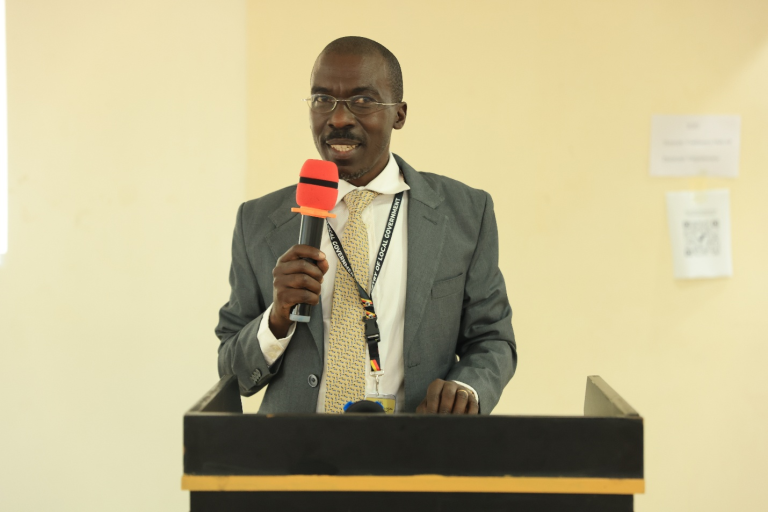
GULU CITY – The Ministry of Local Government’s Local Economic Development (LED) Department has concluded a two-day stakeholders’ workshop aimed at strengthening Production and Commercial Officers’ role in extension service delivery and improving management of agro-processing facilities across the Acholi Sub-region.
The workshop, held at Bomah Hotel in Gulu City, brought together representatives from 10 Local Governments in Acholi, alongside officials from Ministries, Departments and Agencies (MDAs), financial institutions, cooperatives, and private sector actors. Participants included District Production Officers, District Agricultural Officers, Veterinary Officers, Fisheries Officers, Entomology Officers, Commercial Officers at all levels, and Agricultural Extension Workers from Lower Local Governments. Development partners included Uganda Cooperative Alliance (UCA), Pearl Bank, Middle North Cooperative Society, Northern Uganda Tractors Association SACCO (NUTOFA), Pride Microfinance, and several Small and Medium Enterprises (SMEs).
Opening the workshop, the representative of the Permanent Secretary of the Ministry of Local Government emphasized the importance of coordination in agricultural transformation. He said, “Production and commercialization functions must work together to promote agricultural transformation, value addition, and local economic development.” He further noted that extension workers remain central to service delivery, stating, “Extension workers are frontline actors responsible for ensuring that farmers access quality inputs, appropriate technologies, advisory services, and financial opportunities.”He urged professionalism among officers, adding, “We encourage all officers to uphold integrity, accountability, and commitment in service delivery as government continues to support local governments through policy and technical guidance.”
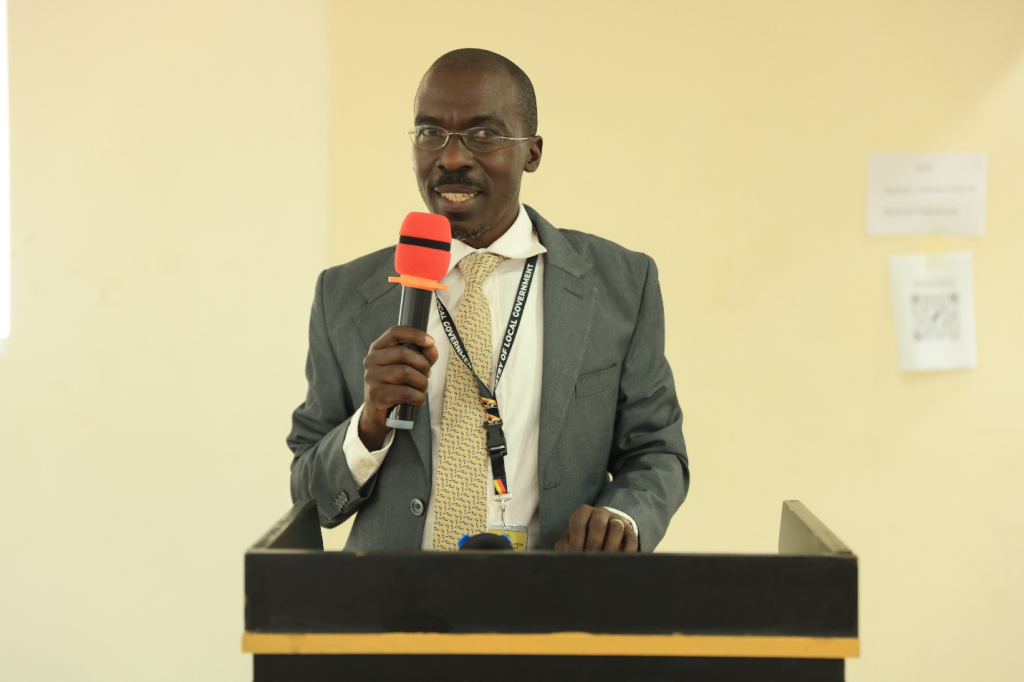
Mr. Julius Kapwepwe, Research and Policy Analyst at the Parish Development Model (PDM) Secretariat, representing the Permanent Secretary, Ben Kumumanya
Participants included District Production Officers, District Agricultural Officers, Veterinary Officers, Fisheries Officers, Entomology Officers, Production Coordinators, Agricultural Extension Workers from Lower Local Governments, and Commercial Officers at all administrative levels. The workshop also attracted representatives from Pearl Bank, Uganda Cooperative Alliance (UCA), Middle North Cooperative Society, Northern Uganda Tractors Association SACCO (NUTOFA), Pride Microfinance, and several Small and Medium Enterprises (SMEs).
The final day featured presentations from group discussions, where participants shared experiences and recommendations on strengthening extension services, improving agro-processing facility management, enhancing value addition, and promoting commercialization of agricultural enterprises.
The workshop was guided by a set of expectations, including clarification on the operation and maintenance of non-functional agro-processing facilities (APFs), equipping extension workers with practical skills to support PDM beneficiaries, and developing a plan for at least one agro-processing facility per parish. Participants also emphasized the need for practical demonstrations on APF usage, improved extension staffing, and stronger linkages between beneficiaries and markets.
Other expectations included expanding enterprise support beyond livestock and crop production, establishing slaughter slabs and abattoirs in major trading centers, improving recruitment and staffing of extension workers, and enhancing coordination between production and commercial departments in PDM implementation.
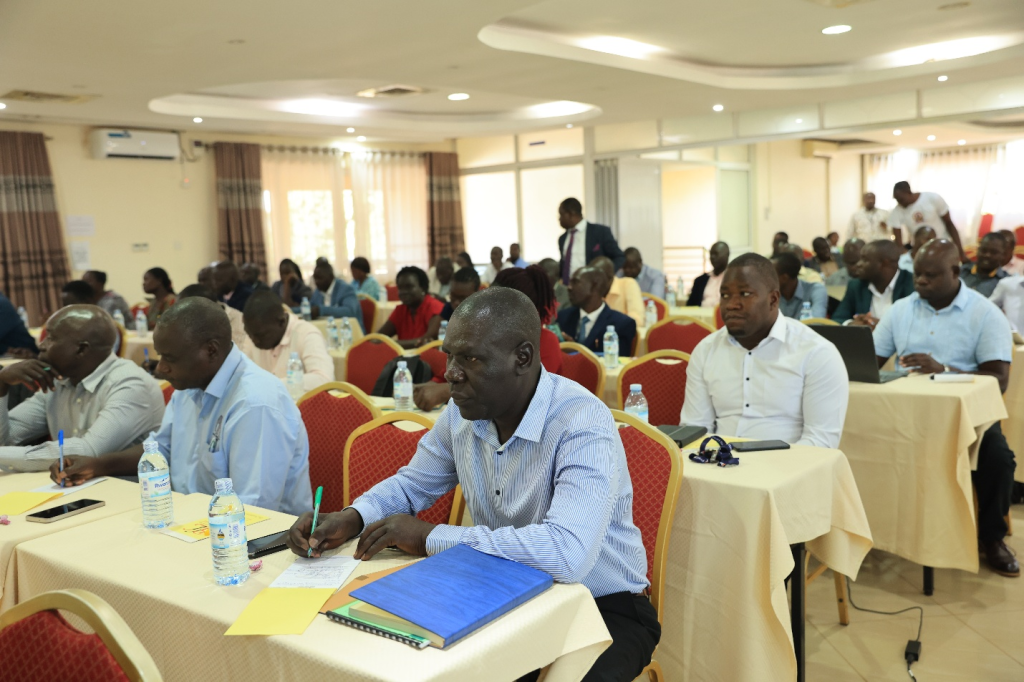
Some of the Participants at the workshop
Representatives from local government leadership, including Ms. Christine Olok, who spoke on behalf of the Mayor of Gulu City, highlighted the relevance of the workshop in strengthening institutional capacity for implementing government programmes. She noted that the Parish Development Model (PDM) remains a key strategy for household transformation and socio-economic development.
The Resident City Commissioner (RCC) urged participants to adopt prudent financial behavior, promote mindset change, and focus on productive economic activities. He emphasized the vast economic opportunities in agriculture, fisheries, livestock, and trade, warning against misuse of resources that undermine household development.
Key objectives of the workshop included strengthening capacity for extension service delivery, improving management of agro-processing facilities, enhancing coordination in value addition and market access, and promoting collaboration among stakeholders in implementing local economic development initiatives.
Participants raised several key issues, including limited functionality of agro-processing facilities due to lack of electricity, inadequate extension staffing ratios, delays in construction of APFs and bulking centers, and concerns over recovery of PDM funds. Other challenges included limited market access, inadequate beneficiary skills, underfunding of mindset change initiatives, and the absence of parish headquarters in some areas.
Stakeholders further recommended increased recruitment of extension workers, stronger public-private partnerships, enhanced climate change awareness, and improved support for research and development. Development partners, including NUTOFA, emphasized the importance of collaboration with local governments to strengthen agricultural productivity and innovation.
The workshop concluded with a commitment by participants to implement the recommendations and strengthen coordination across sectors to improve extension service delivery, enhance agro-processing management, and promote sustainable economic transformation in the Acholi Sub-region.
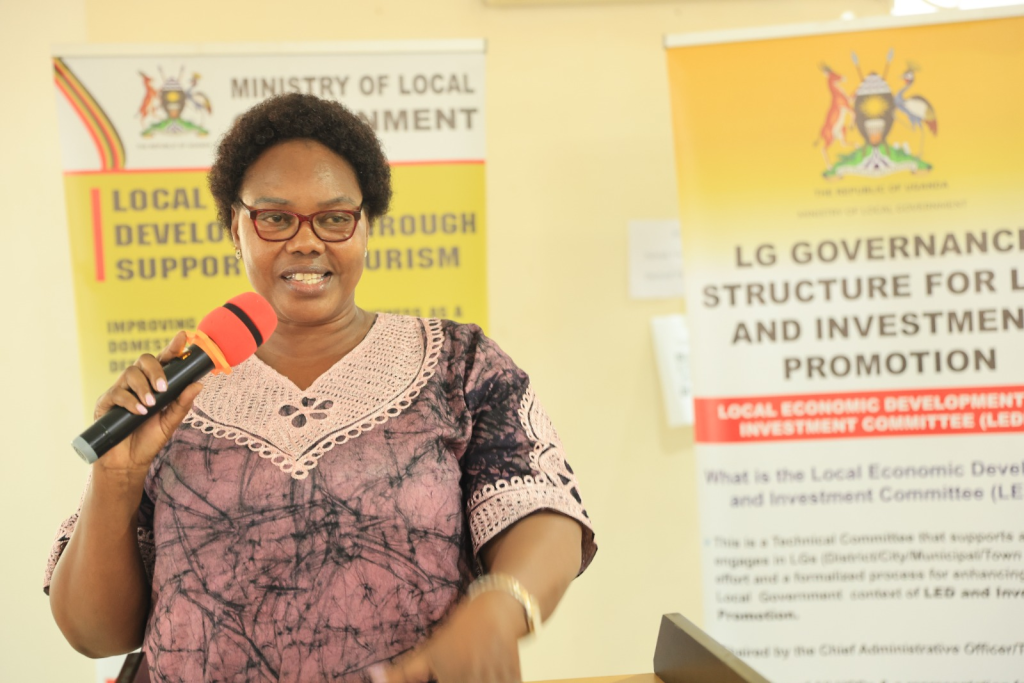
Ms. Christine Olok, Deputy Mayor
Representing the Mayor of Gulu City, welcomed participants and highlighted the importance of the engagement. She said, “This workshop is very important in strengthening the capacity of frontline implementers, especially under government programmes such as the Parish Development Model.” She added, “Through sharing experiences and best practices, we can improve implementation and achieve meaningful socio-economic transformation.”
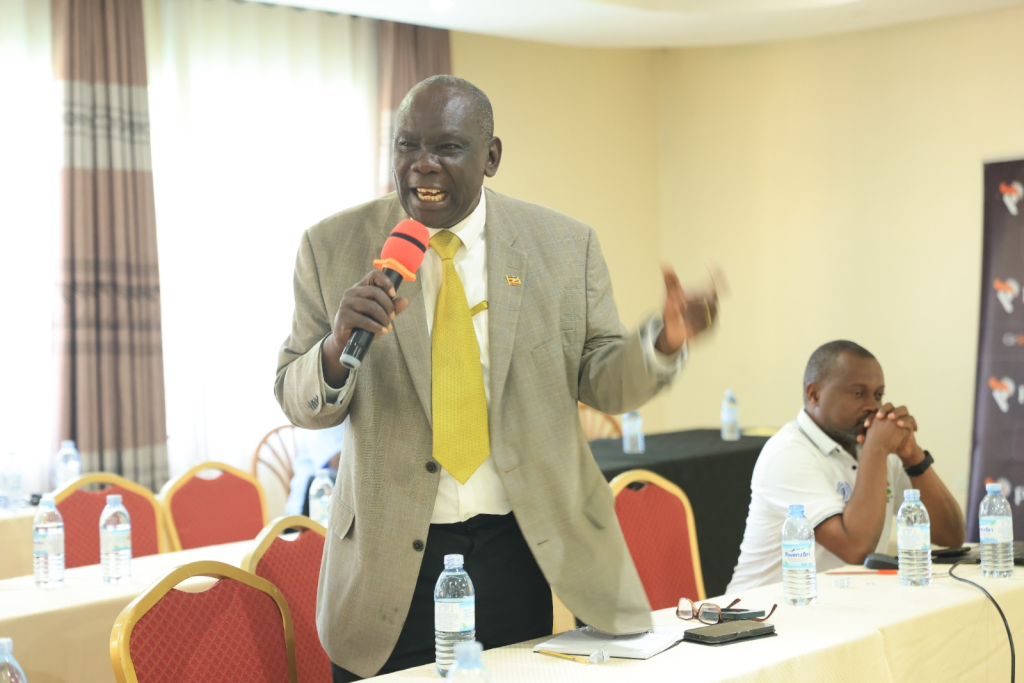
Mr. Onoria Ambrose, Resident City Commissioner (RCC)
The Resident City Commissioner (RCC) challenged participants to focus on mindset change and productivity. He said, “People must avoid being attracted by everything that is cheap without considering the long-term consequences of their choices.” He emphasized responsible economic behavior, adding, “Households should prioritize productive investments rather than spending on non-essential activities that do not improve livelihoods.”
He further warned against misuse of resources, stating, “Excessive spending on unproductive habits such as alcohol undermines household development and slows economic progress.” He encouraged communities to take advantage of available opportunities, noting, “If local people do not utilize these opportunities in agriculture, fisheries, and trade, others from outside the region will benefit from them.”
During the workshop, participants reviewed key challenges affecting service delivery. These included non-functional agro-processing facilities due to lack of electricity, inadequate staffing of extension workers, delays in establishing agro-processing and bulking centers, and concerns over recovery of development funds.
One participant noted, “The current extension worker ratio is too high to effectively support farmers, and recruitment must be increased to improve service delivery.” Another added, “Many agro-processing facilities remain idle, yet communities were promised that each parish would have access to such facilities.”
Development partners also emphasized collaboration. A representative from Uganda Cooperative Alliance said, “Stronger partnerships between government and cooperatives are essential for improving market access, farmer organization, and value addition.” NUTOFA SACCO further stressed innovation, stating, “We are committed to supporting research, mechanization, and practical solutions that can improve agricultural productivity in local governments.”
The workshop concluded with commitments to strengthen coordination among production and commercial departments, improve extension service delivery, enhance agro-processing facility management, and promote sustainable local economic development across Acholi.
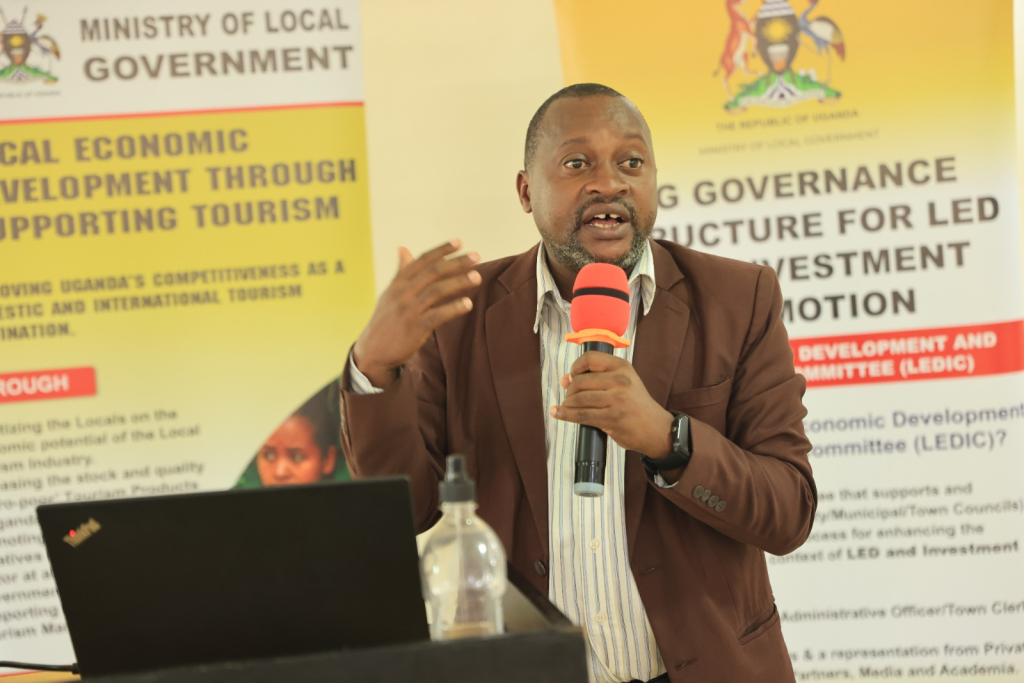
Mr. Ssengendo Lawrence Development Officer, LED Department( Presenter)
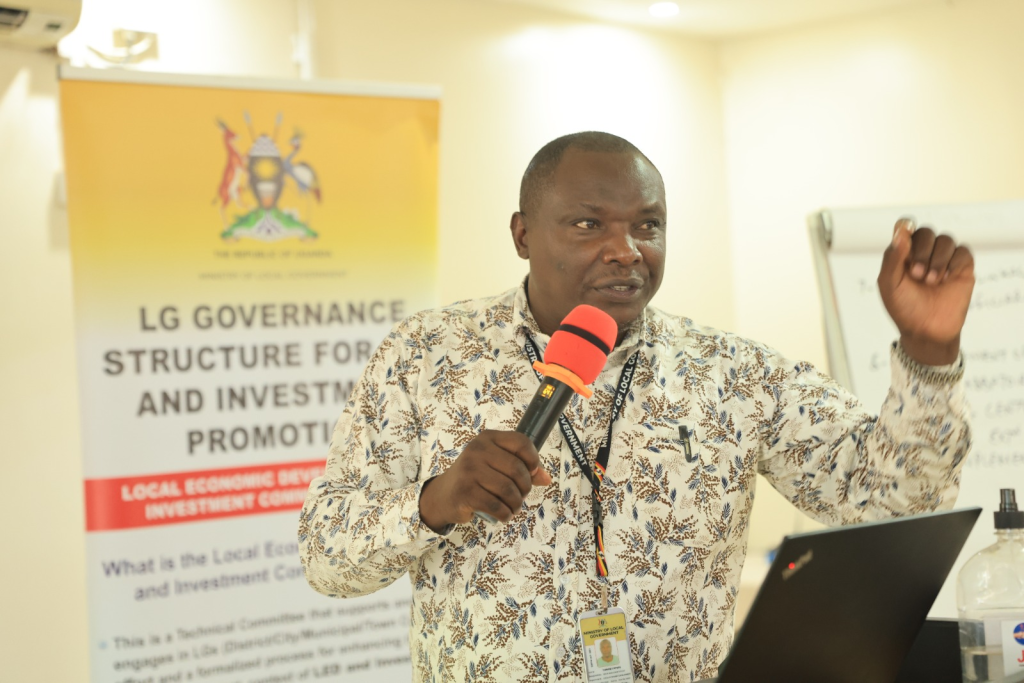
Mr. Stephen Tumwine Senior Development Officer, LED Department (Presenter)
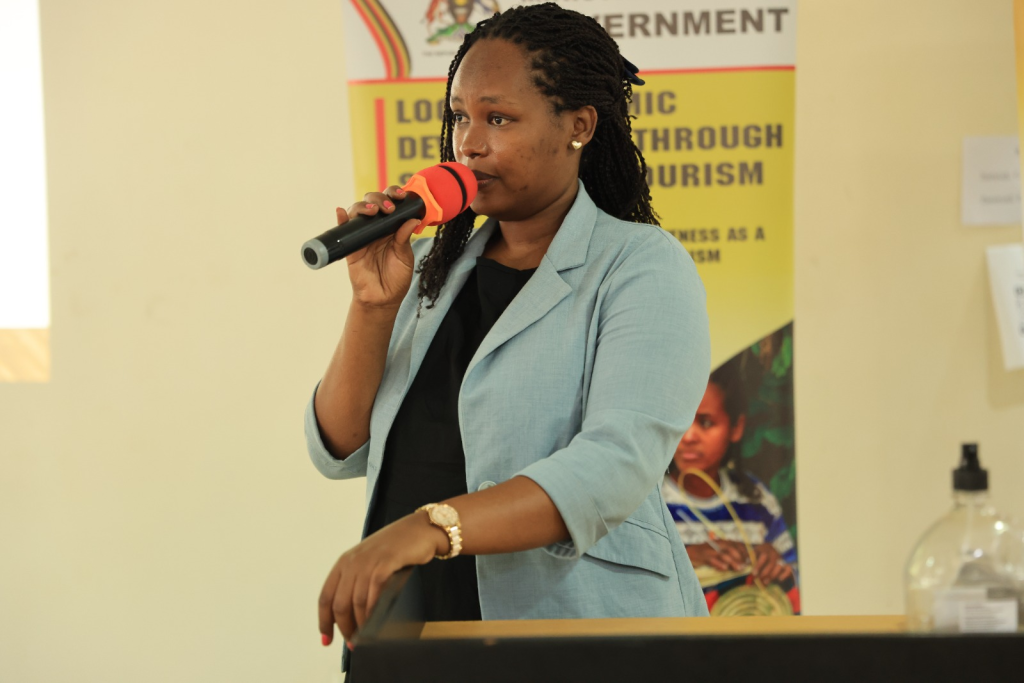
Ms. Ruth Kashaga Development Officer LED – MOLG (Presenter)