Women across Kanungu District have taken a decisive lead in driving household transformation under the government’s flagship Parish Development Model (PDM), outperforming men in securing capital to launch local enterprises.
However, civil society leaders and district authorities are raising a red flag over emerging operational hurdles, ranging from climate shocks to domestic conflicts, warning that defaulting on these revolving funds could cripple the program’s long-term success.
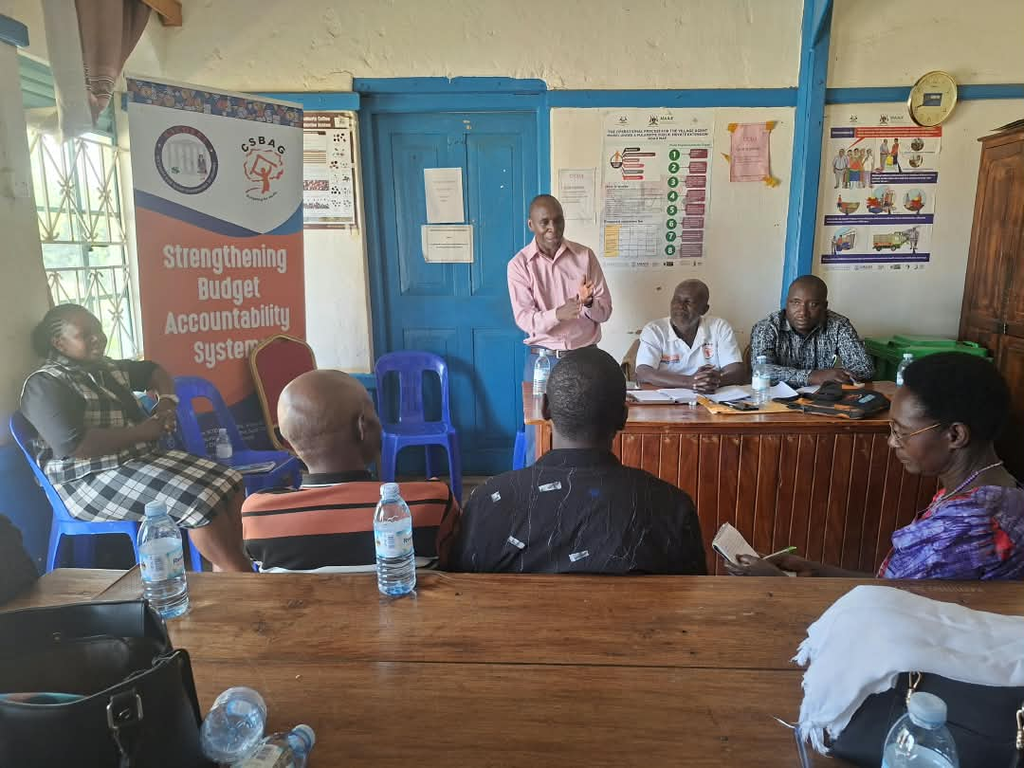
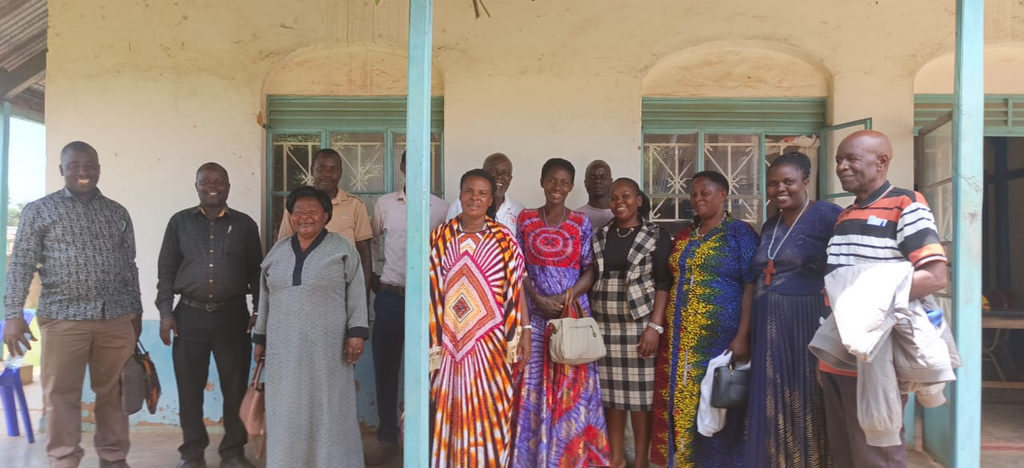
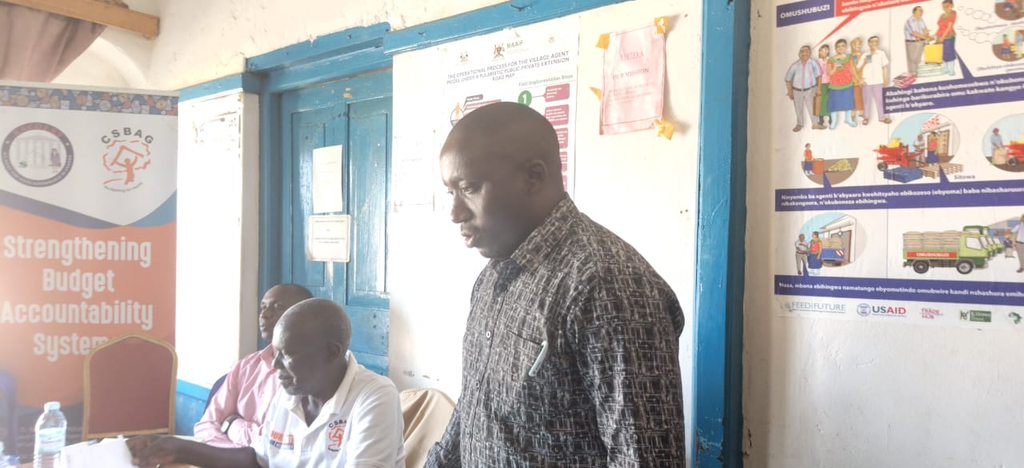
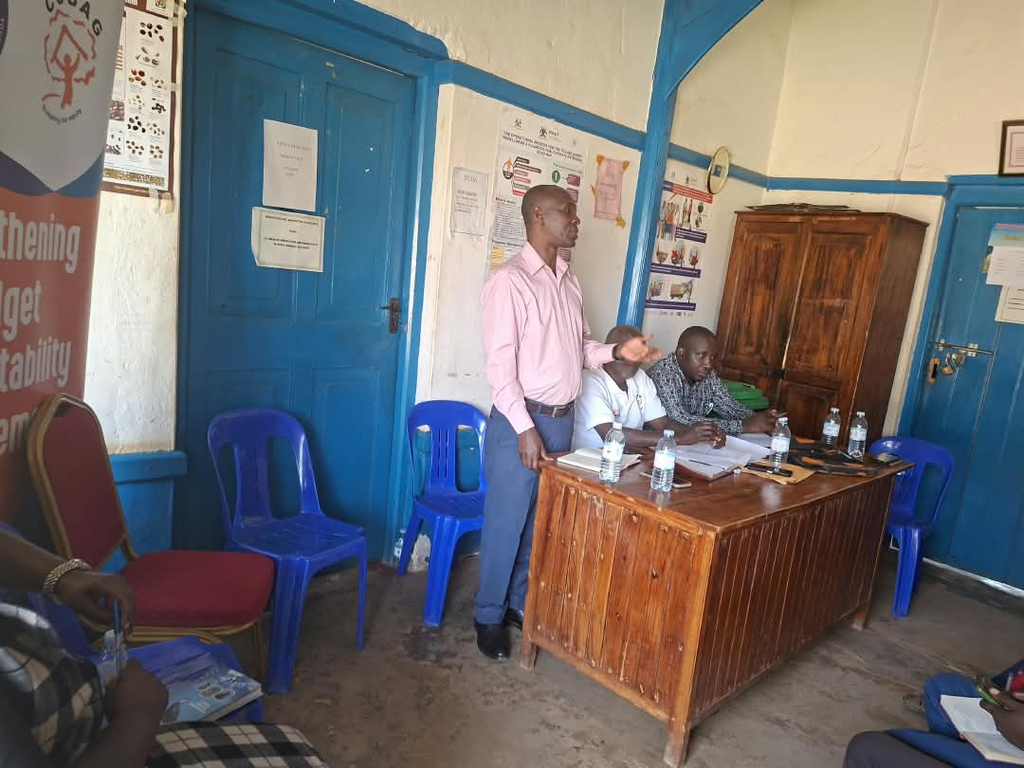
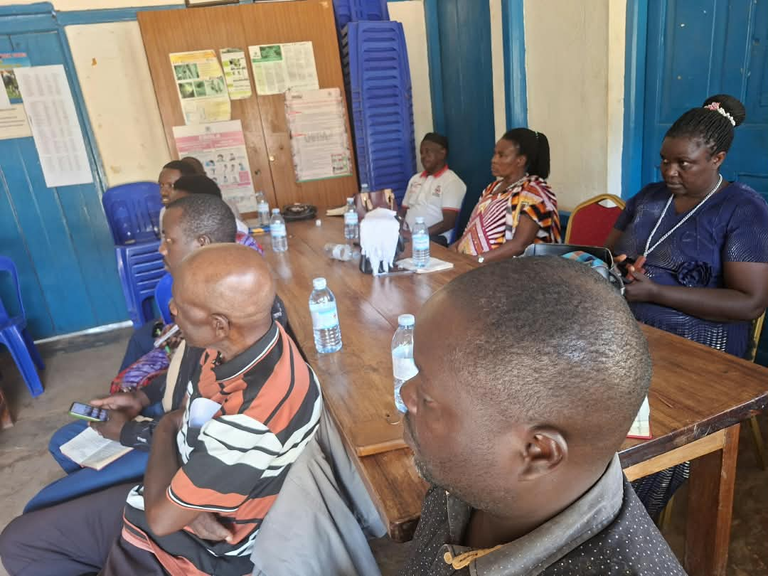
The developments came to light during a high-level dissemination meeting held in the Production Boardroom at the Kanungu District Headquarters on Thursday, September, 03, 2026 The event was organized by the Kanungu Community Efforts for Rural Transformation (KACOERT) in partnership with the Civil Society Budget Advocacy Group (CSBAG) to share progress from the Strengthening Budget Accountability Systems and Practice (BASP) project.
Official district records reveal that 10,587 residents across Kanungu have received direct funding through the Parish Revolving Fund, which has disbursed over 10.55 billion shillings across all 27 local government units.
Women make up the majority of the beneficiaries, standing at 5,757 recipients compared to 4,830 men. This dominant female presence was mirrored in a recent monitoring survey conducted by KACOERT across 90 sampled beneficiaries in seven sub-counties and town councils. In that dataset, 47 of the beneficiaries were women — representing 52.22 percent — while 43 were men, accounting for 47.78 percent.
Beneficiaries have funneled these funds into a wide range of agricultural value chains and small commercial ventures. The primary investments include coffee growing — supported by Kanungu’s favorable climate — alongside poultry farming, piggery, dairy farming, Irish potato production, banana growing, produce trading, and small retail shops.
Presenting the BASP project progress report to district leaders, technocrats, and civil society partners, KACOERT Coordinator Wycliff Mutambuzi praised the deep penetration of PDM funds among female-headed households, but warned of growing external threats to loan recovery.
Mutambuzi noted that while the PDM has delivered a clear, positive impact on society, beneficiaries are navigating tough hurdles. Sharp price fluctuations for agricultural commodities, prolonged dry spells driven by climate change, and unacceptable instances of bribery during fund disbursement have created severe financial strain, leading to delayed loan repayments.
Adding to these concerns, KACOERT Chairman Byaruhanga Johnson revealed that sudden financial injections have unexpectedly triggered socio-domestic tensions in some households. Uncoordinated joint planning over the one-million-shilling allocations has led to spikes in gender-based violence.
To safeguard both family harmony and public funds, Byaruhanga called for urgent financial training for newly elected members of Parish Development Committees so they can effectively manage enterprise monitoring and loan recovery.
Kanungu District Vice Chairperson Rukundo Joshua echoed these warnings, urging beneficiaries to view the PDM not as a government grant, but as a perpetual community fund. He emphasized that because these funds are revolving in nature, every beneficiary who defaults deprives another struggling household of a chance to escape poverty. He called on all recipients to willingly honor their repayment schedules.
Addressing the administrative bottlenecks, Kanungu District Planner Innocent Atuheire reassured stakeholders that while the program faced initial teething problems, government interventions have since streamlined processes, placing heavier emphasis on mindset change, institutional transparency, and extension support.
The dissemination meeting also highlighted KACOERT’s broader monitoring under the four-year BASP project, running from June 2024 to July 2028 across eight districts nationwide. The initiative aims to eliminate fiscal indiscipline, curb procurement irregularities, and boost citizen participation as Uganda begins implementing the 4th National Development Plan and its strategic plan to grow the national economy tenfold by 2040.
Monitoring across 37 health facilities in Kanungu revealed notable improvements alongside persistent structural gaps. While all monitored Health Centre IIIs possessed land titles and publicly displayed their primary health care fund releases on notice boards, severe staffing shortages remain a major bottleneck.
For instance, Kanungu Health Centre IV operates at a staffing level of just 36.1 percent with only six staff quarters for 47 health workers, while Health Centre IIIs average a 28 percent staffing rate. Furthermore, none of the monitored health centers had fire extinguishers or attendance records for persons with disabilities, and only Nyamwegabira Health Centre III possessed an operational ultrasound machine. Kambuga Hospital also requires additional funding to complete ongoing renovations following its upgrade to a regional referral hospital.
Despite these hurdles, civic advocacy has spurred tangible administrative action across several facilities:
At Samaria Health Centre II, district officials responded to a cracked staff house, a collapsed toilet, and a lack of security by constructing a new drainable toilet, repairing the staff quarters, and building a protective fence using primary health care funds.
At Kihihi Health Centre IV, the dilapidated mortuary has now been plastered and upgraded. Additionally, following administrative interventions by the Chief Administrative Officer over staff tardiness, facility in-charges were transferred, leading to vastly improved staff attendance and supervision.
At Katate Health Centre IV, construction of a long-awaited mortuary facility has reached 80 percent completion after being prioritized in the local budget.
At Kazinga Health Centre II, the facility has received two new patient delivery beds, renovated its staff quarters, and publicly posted its quarterly workplans and financial releases.
At Matanda Health Centre III, the health center received much-needed delivery beds to handle a high patient volume driven by surrounding refugee populations.
In the education sector, district projections put primary school enrollment at 53,221 pupils across Kanungu, with an average pupil-to-toilet stance ratio of 1 to 46. However, field inspections across 40 Universal Primary Education (UPE) schools exposed severe dropout rates, with roughly 40 percent of pupils failing to complete primary school due to child labor, domestic poverty, and early child marriages — particularly in the sub-counties of Buhoma, Mpungu, and Kinaba.
At Rubona Primary School, the entire Primary Seven candidate class has dwindled to just six pupils, comprising two boys and four girls. Inspections also revealed that none of the 40 visited schools had lightning conductors, fire extinguishers, first aid boxes, specialized special-needs teachers, or school nurses. Furthermore, many pit latrines constructed between 2003 and 2009 have collapsed or become unsafe.
Civic tracking has nevertheless yielded critical improvements in school infrastructure. Following advocacy engagements, local authorities constructed a modern drainable toilet at Kishenyi Primary School to replace a collapsed structure, while a brand-new classroom block was built at Kangarame Primary School in Kirima Sub-County to relieve severe overcrowding.
To build on these gains, the KACOERT Secretariat outlined key recommendations for both district officials and national policymakers.
The organization urged local authorities to institutionalize mandatory financial literacy, enterprise management, and conflict-resolution training for all Parish Development Committees. Civil society leaders also recommended deploying more agricultural extension workers directly to parishes to help farmers mitigate climate shocks, enforcing strict bans on illegal school fees in UPE institutions, and allocating dedicated funding for gender-sensitive sanitation facilities in primary schools.
Concluding the session, community leaders emphasized that genuine local development relies on continuous civic oversight. As Kanungu aligns its budget with national transformation goals, the ongoing collaboration between citizens, civil society, and local government stands as a crucial engine for transparent and corrupt-free public service delivery.
by:
Twongyeirwe Mwajuma Twaha Adams,
Communications Officers.
Kanungu District Local Government