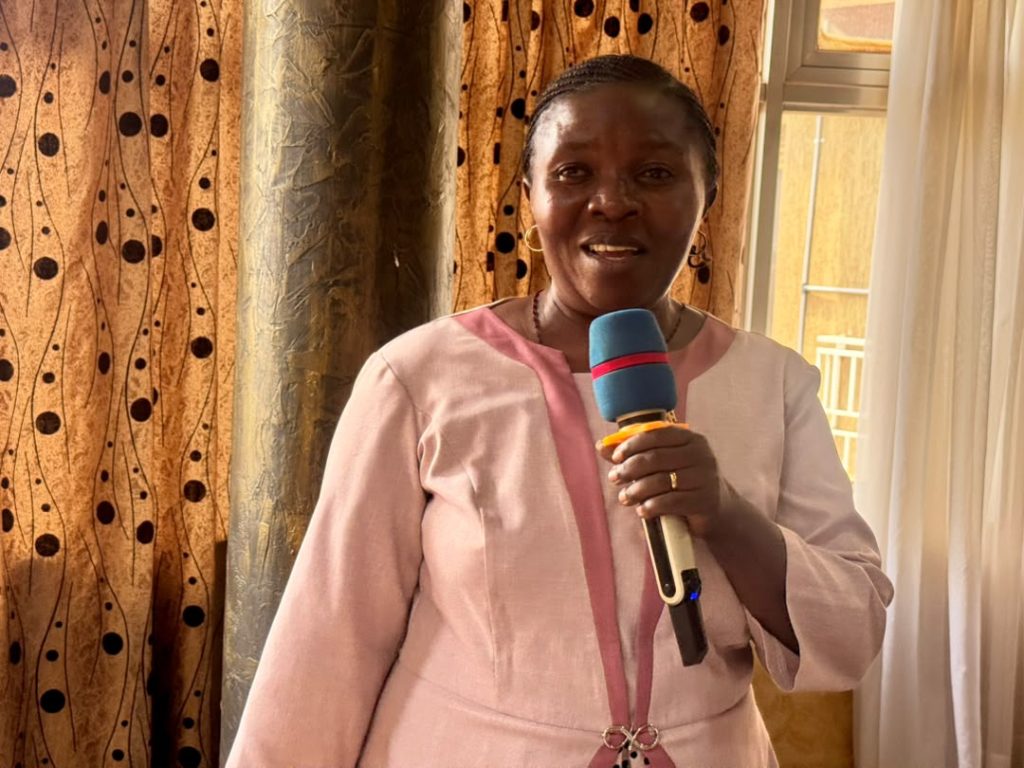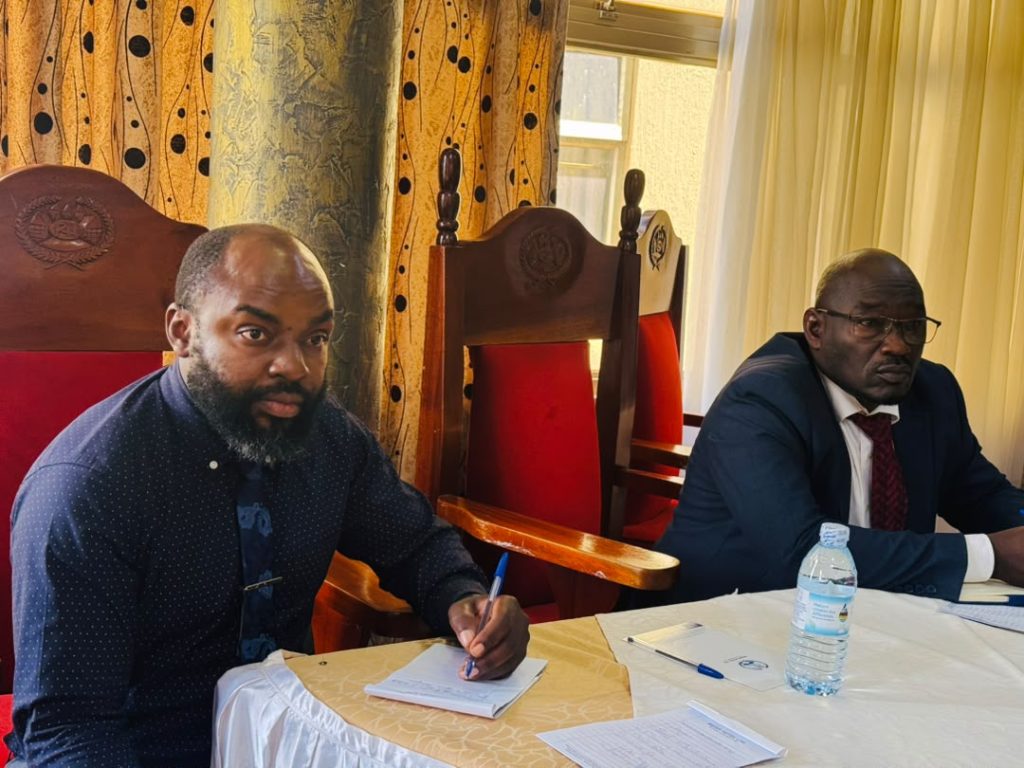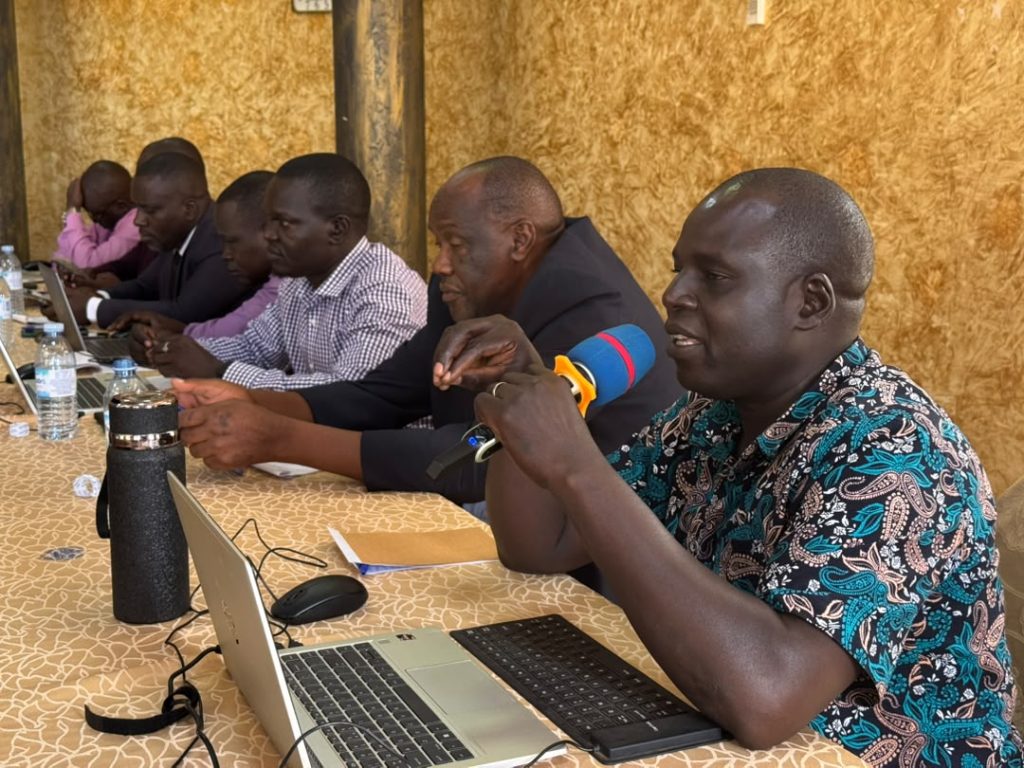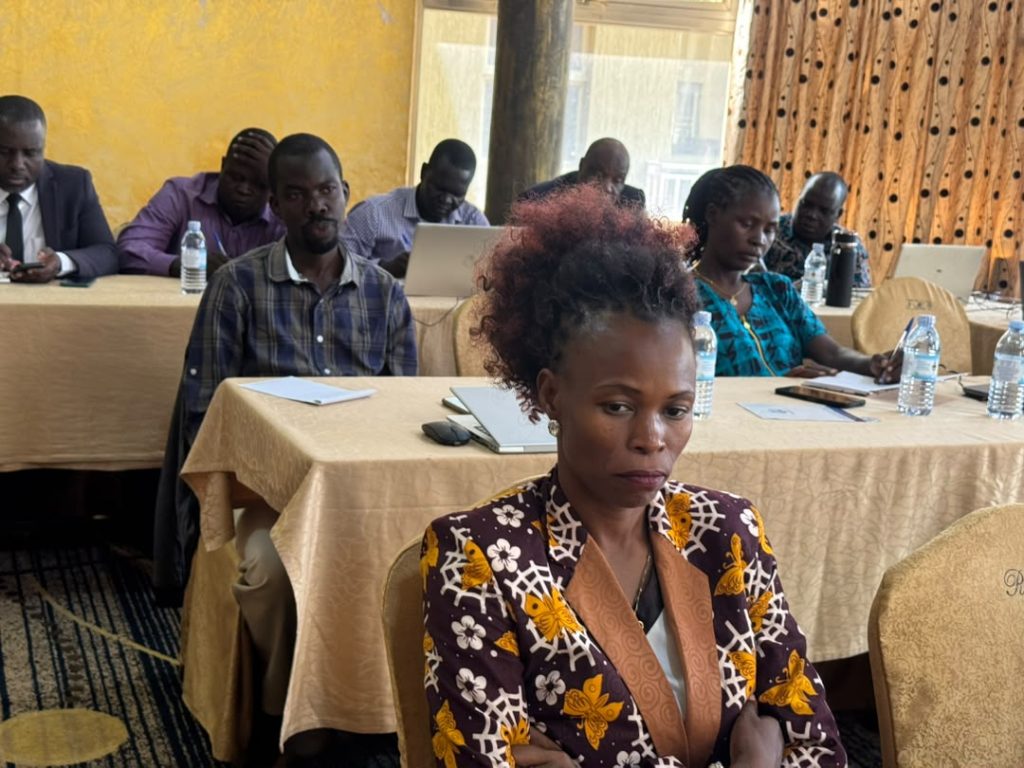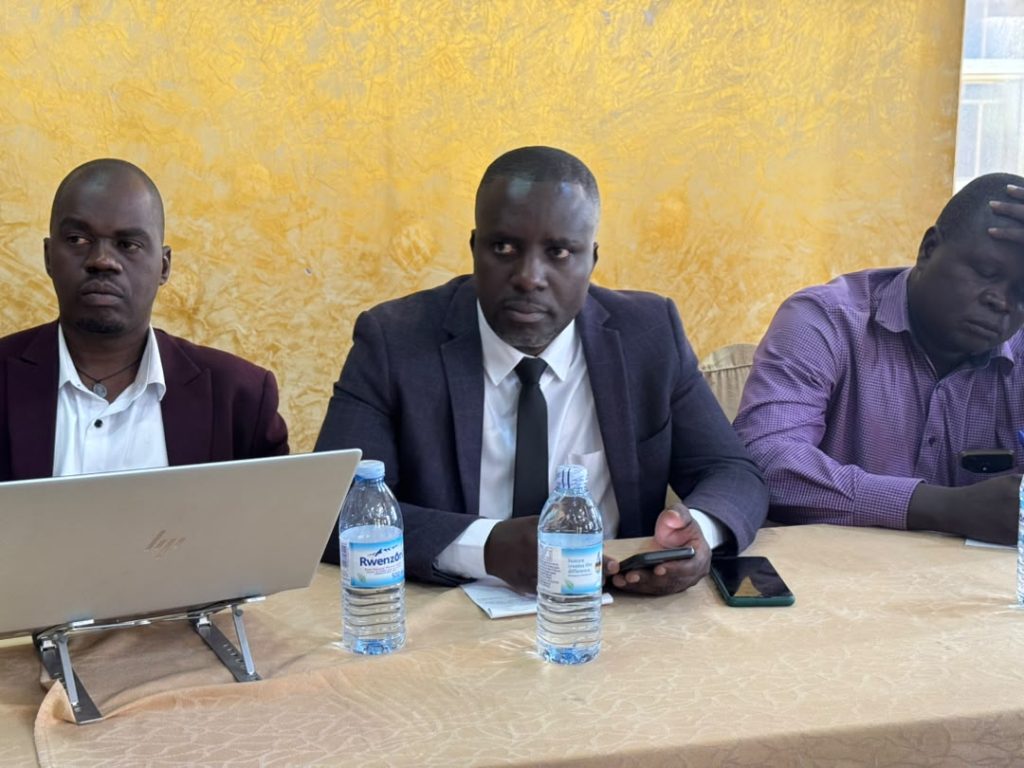
The Ministry of Local Government, with support from the United Nations Capital Development Fund (UNCDF), is reviewing proposed infrastructure investments under the Local Climate Adaptive Living Facility (LoCAL) for the Financial Year 2026/2027 to ensure they are technically sound, cost-effective and resilient to climate-related hazards.
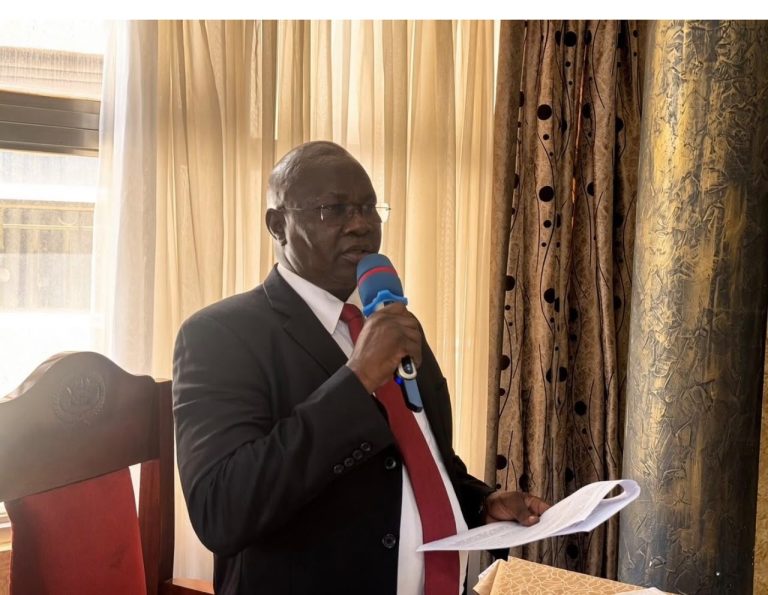
The workshop was officially opened by Commissioner for District Administration, Geofrey J.J. Ettedu, on behalf of the Permanent Secretary, Mr. Ben Kumumanya.
Commissioner Ettedu said the workshop was more than a routine meeting, describing it as a technical review and capacity-building exercise intended to prepare Local Governments to respond to climate-related shocks such as floods, droughts and other environmental hazards.
He emphasised the need for transparency and accountability in the preparation of Bills of Quantities (BoQs), realistic cost estimates and infrastructure designs that respond to community needs while strengthening resilience to climate change.
Eng. Bosco Lepi, Principal Engineer at the Ministry of Works and Transport, highlighted the importance of proper planning, appropriate technologies and consideration of local environmental conditions in infrastructure development.
“Proper planning, the use of appropriate technologies and consideration of local environmental conditions are essential to ensuring that infrastructure investments are durable, sustainable and provide long-term value to the communities they serve,” he said.
Meanwhile, Ms. Gertrude Tuhairwe, the LoCAL Programme Officer, explained that the facility operates through established Government systems, with funding channelled through the District Discretionary Equalisation Grant (DDEG) window.
She noted that LoCAL’s distinguishing feature is its focus on integrating climate change adaptation measures into local infrastructure investments rather than creating a separate implementation system. She called on Local Governments to ensure that project designs clearly demonstrate the additional measures incorporated to address climate-related risks and enable infrastructure to withstand changing environmental conditions.
Uganda continues to experience climate-related challenges, including erratic rainfall, flooding, rising temperatures and prolonged droughts, which affect communities and public infrastructure. These challenges underscore the need to integrate climate resilience into local development planning and investment.
The LoCAL facility established in 2023/2024 currently operates in 24 districts: Kasese, Nebbi, Nwoya, Zombo, Kitgum, Bulambuli, Nabilatuk, Nakapiripirit, Moroto, Kotido, Agago, Koboko, Kikuube, Kiboga, Rwampara, Terego, Kyankwanzi, Amuru, Gulu, Bukwo, Butaleja, Napak, Bukedea and Pallisa.
The workshop brings together District Engineers from the 24 participating Local Governments to assess proposed project designs, layouts and Bills of Quantities. Technical teams from the Ministry of Energy, Ministry of Works and Transport, Ministry of Water and Environment, the National Environment Management Authority (NEMA) and Uganda Christian University are also participating, providing technical expertise to strengthen the review process.
The review is expected to enhance the capacity of Local Governments to plan and implement cost-effective, climate-resilient infrastructure, safeguard public investments and deliver sustainable services that respond to the needs of communities.