
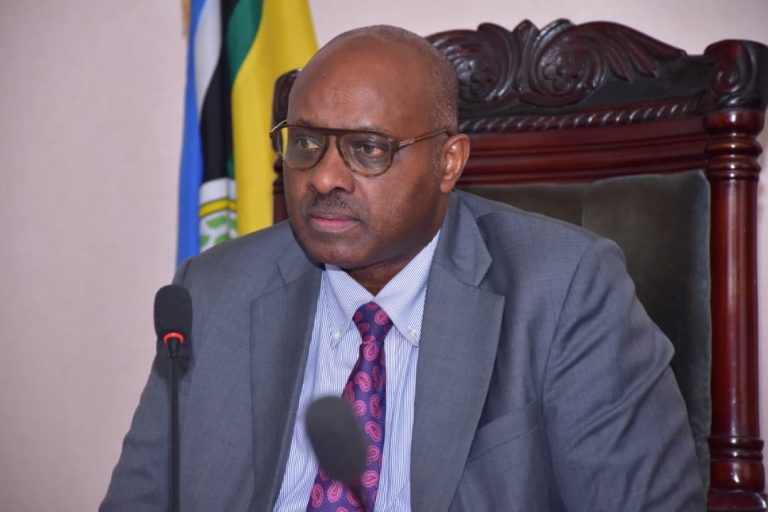
The effectiveness of leadership at the local government level is best demonstrated through the quality of services delivered to the people. From roads, schools, health facilities and water infrastructure to markets, Parish Development Model (PDM) enterprises and other government initiatives, the success of these programmes depends significantly on the commitment and competence of local leaders. This places local government leadership at the centre of Uganda’s development agenda. Recognising this responsibility, the Ministry of Local Government is conducting the 2026 Induction Programme for Local Government Councils to equip newly elected leaders with the necessary knowledge and understanding as they begin their five-year term of office.
The 2026–2031 leadership term comes at a time when local governance continues to experience changes in policies, legislation, development programmes and public expectations. While some elected officials bring previous experience in local government administration, many are assuming leadership responsibilities for the first time. It is therefore important to establish a shared understanding of the duties and expectations associated with public office. Through the induction programme, leaders are being provided with essential knowledge, practical skills and reference materials to strengthen their appreciation of constitutional responsibilities, statutory functions, legal requirements and principles of good governance.
Beyond introducing newly elected officials to their responsibilities, the induction process provides an important foundation for effective and accountable leadership. Every local government councillor needs to appreciate the scope and limitations of their authority, understand the procedures governing council operations, and become familiar with decision-making processes and committee functions. Equally important is understanding the relationship between political leadership and the technical administration. Whereas elected leaders are mandated to provide policy direction, representation and oversight, technical officers are entrusted with the professional execution of government programmes and decisions. A clear understanding and mutual respect for these responsibilities promotes lawful decision-making, institutional cooperation and development-focused leadership.
Effective governance also requires recognising that challenges within local governments do not always arise from inadequate financial or material resources. In several instances, service delivery is affected by weaknesses in accountability systems, limited coordination, insufficient knowledge of established procedures, interference in technical responsibilities and inadequate supervision of government programmes. Disagreements between political leaders and technical personnel can further undermine institutional performance. The induction programme seeks to address these concerns by strengthening the capacity of leaders to manage emerging issues, exercise their mandates responsibly and promote constructive working relationships within local government institutions.
Recent government accountability initiatives offer valuable insights into the importance of responsible leadership and the proper management of public resources. Through the “Expose and Eliminate Corruption” campaign spearheaded by the Minister of Local Government, Hon. Barugahara Balaam Ateenyi, communities and local government officials have been engaged on matters concerning the utilisation of public resources, implementation of government projects and delivery of essential services. Particular attention has also been directed towards the implementation of key government interventions, including the Parish Development Model.
These public accountability engagements have highlighted concerns affecting sectors such as education, health, roads and other government-supported programmes. The issues raised during these exercises reinforce the need for local government leaders to go beyond understanding their political mandates and actively embrace their responsibilities in promoting transparency, accountability and effective supervision. They also demonstrate the importance of ensuring that public resources are utilised appropriately and that government investments produce meaningful improvements in the lives of citizens.
As the newly elected leadership begins its five-year mandate, a strong commitment to public service must guide its decisions and actions. The induction programme is designed to deepen participants’ understanding of the legal and institutional structures governing local governments, council procedures, planning and budgeting processes, financial accountability and human resource management. Other important areas include local economic development, implementation of the Parish Development Model, gender considerations, ethical conduct and integrity in public administration. Together, these areas provide a foundation for leaders to execute their responsibilities more effectively.
Importantly, the findings emerging from government inspections, monitoring exercises and anti-corruption engagements should serve as practical lessons for the incoming leadership. Rather than developing a system in which leaders only take action after irregularities have been publicly exposed, the objective should be to establish a culture of prevention, early detection and timely intervention. Local government leaders must be capable of identifying potential risks, following up on programme implementation, demanding accountability and initiating corrective measures within the limits of their lawful authority.
For this approach to succeed, councillors must understand the questions they should raise when examining government activities, while councils must identify the programmes, projects and services requiring consistent monitoring. District and other local government chairpersons must fully appreciate their oversight responsibilities, and technical officers must remain professionally accountable for the duties assigned to them. These complementary roles are essential to strengthening institutional performance and ensuring that public interests remain central to government operations.
The induction of local government leaders therefore presents an opportunity to translate the lessons from previous accountability engagements into practical improvements in governance. The shortcomings identified through inspections, monitoring activities and public engagements should inform the manner in which new councils conduct their business. Incoming leaders should be encouraged to establish stronger mechanisms for addressing persistent service delivery challenges instead of repeating weaknesses experienced under previous administrations. By transforming past experiences into institutional knowledge, local governments can develop more responsive, transparent and accountable leadership systems.
The success of the induction programme should ultimately be assessed not merely by the number of elected officials who participate, but by the improvements that follow in the management and performance of local governments. The expectation is that councils will conduct their affairs in accordance with the law, political leaders will maintain productive relationships with technical officers, and public resources will be managed and safeguarded responsibly. Communities should also be encouraged to participate actively in development processes, while regular inspection and monitoring of government programmes should contribute to improved service delivery and greater public satisfaction.
The Ministry of Local Government remains confident that a combination of comprehensive induction, continued mentorship, effective inspection, consistent monitoring and stronger accountability mechanisms will contribute to a more capable and responsive local government leadership during the 2026–2031 term. Ensuring that every elected leader fully understands the responsibilities entrusted to them is essential to building institutions that respond to citizens’ needs and advance the country’s development objectives.
Ultimately, the 2026–2031 local government leadership must be defined by a clear understanding of its responsibilities, respect for the law, willingness to learn from past challenges and readiness to act before problems escalate. By embracing these principles, local leaders can build stronger institutions, improve public service delivery and fulfil the expectations of the communities they have been elected to serve. This is the standard of leadership that Uganda’s local governments and citizens deserve.