Jinja City, 29 September 2026 – The Parish Development Model (PDM) is entering a new phase focused on strengthening sustainability, accelerating household graduation from subsistence to the money economy and building stronger linkages between PDM enterprises, markets, finance and private-sector investment.
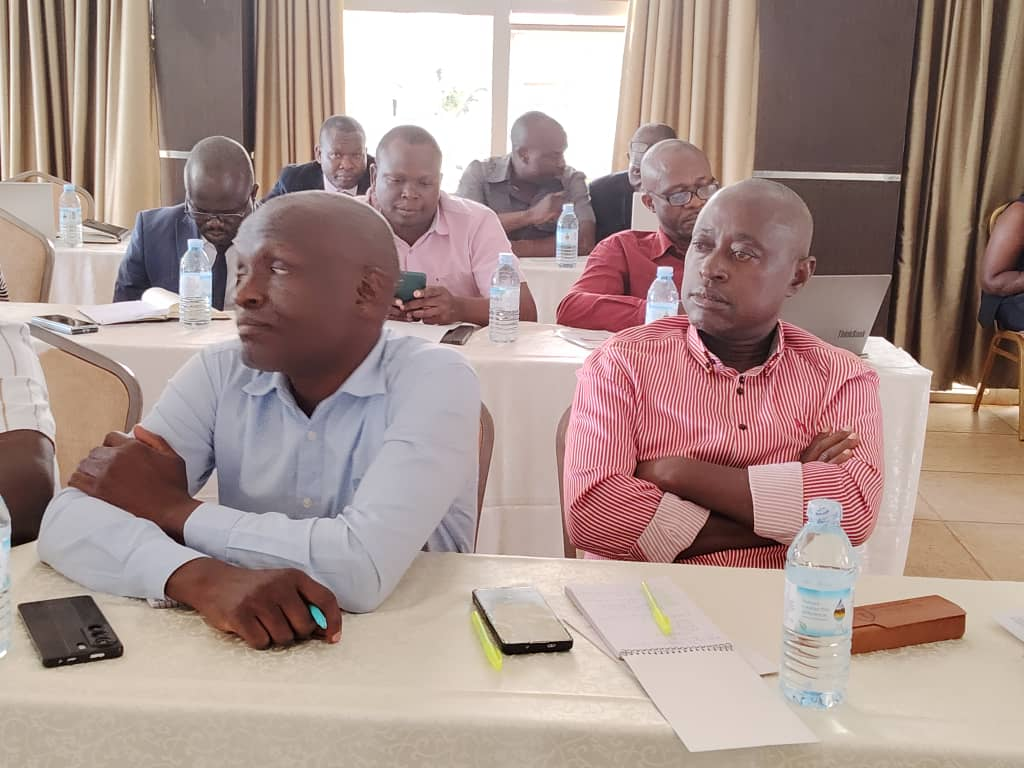
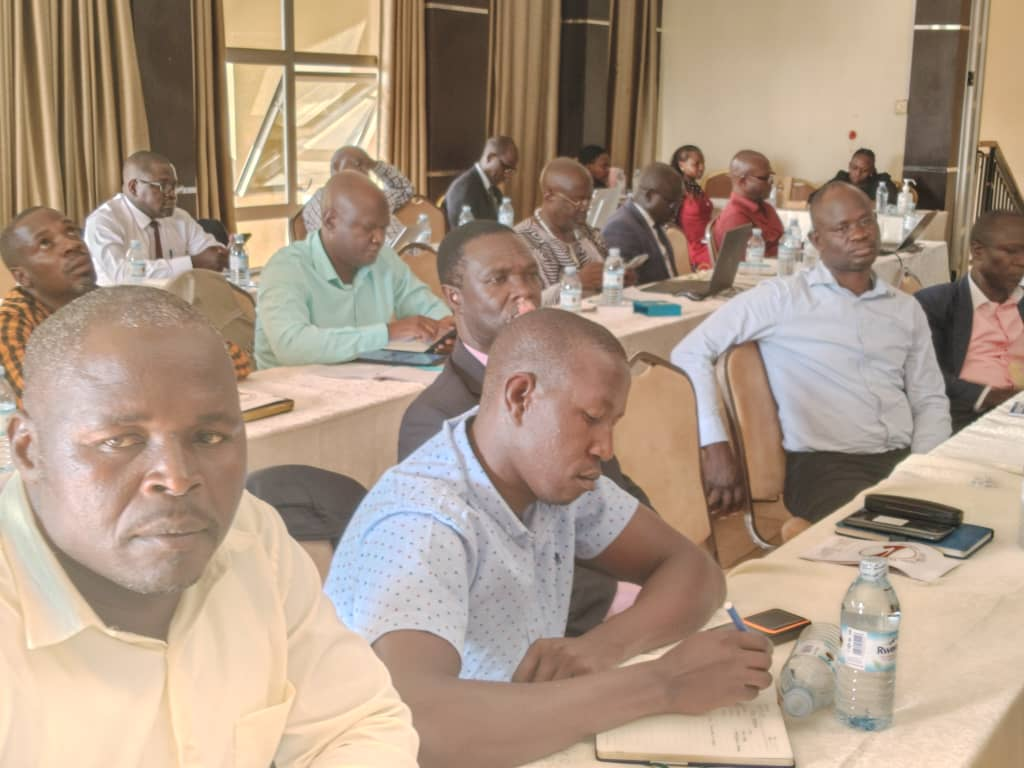
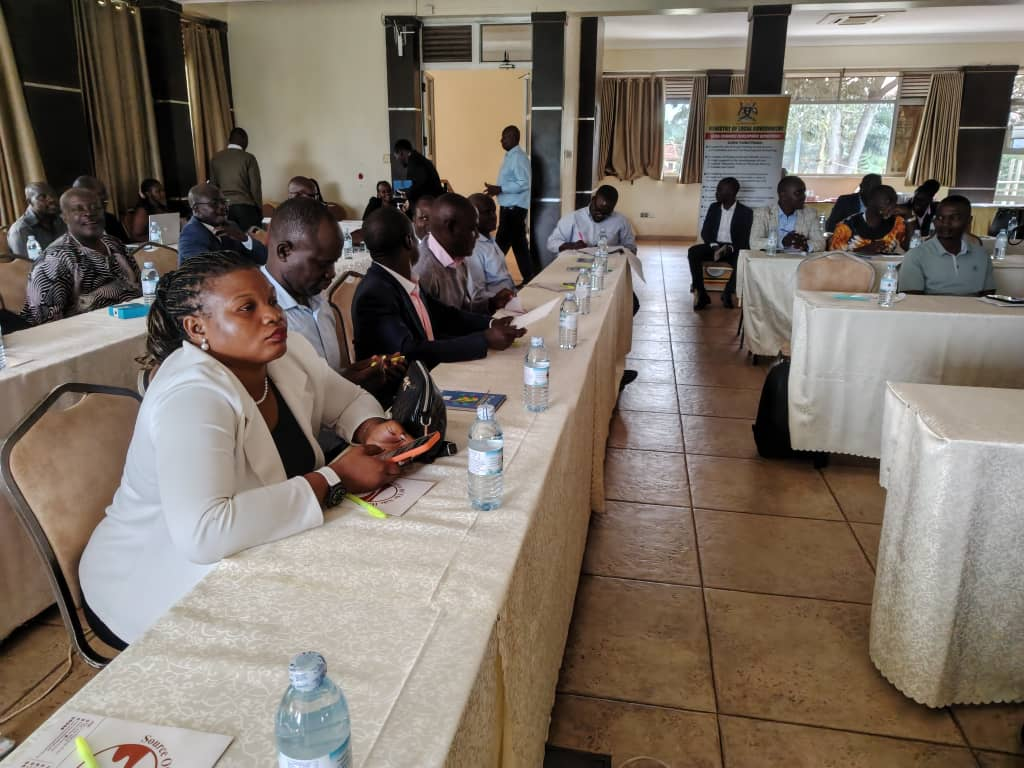
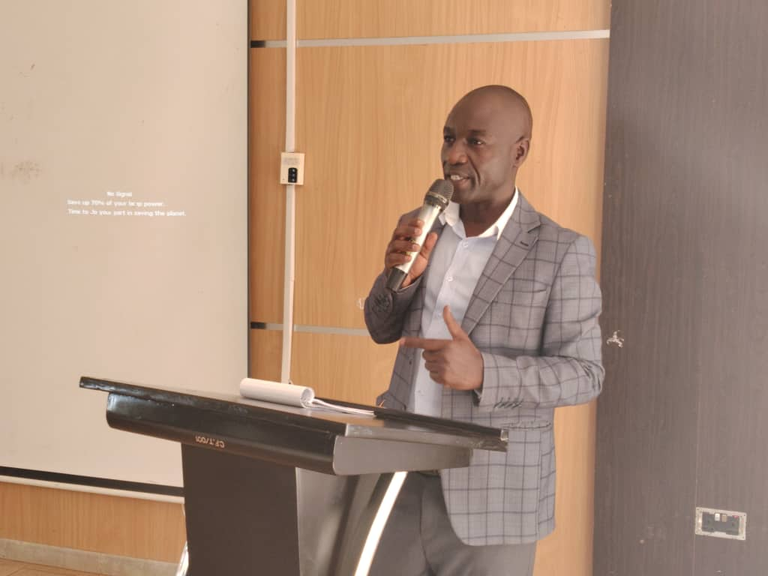
This was highlighted by Dr. Robert Behangana, Research and Policy Analyst at the PDM Secretariat, during the ongoing Training Workshop on Strengthening State and Non-State Actors’ Partnerships for Improved Agricultural Extension Services and Effective Implementation of the Parish Development Model and Local Economic Development in the Busoga Sub-Region. Dr. Behangana explained that PDM is a whole-of-Government flagship programme aimed at increasing household incomes and improving the quality of life of Ugandans, with a particular focus on transforming subsistence households into productive participants in the money economy. The programme prioritises seven key enterprises: coffee, dairy, piggery, poultry, fruits, fish and food crops.
Dr. Behangana noted that the implementation of PDM has progressed through different phases, beginning with establishment of the institutional and operational structures, including Parish Development Committees, Parish Chiefs, SACCOs and the PDM Secretariat. This was followed by a stabilisation phase characterised by increased capitalisation of PDM SACCOs, digital tracking and business development support. He said the programme is now transitioning into the Sustainability, Acceleration and Exit Phase, with greater attention being placed on loan recovery, repayment tracking and strengthening community savings and financial systems.
He emphasised that the success of PDM should ultimately be measured by the number of households that graduate from the subsistence economy into the commercial and money economy. The PDM Results Framework is designed to track this transformation through household profiling, baseline information and performance indicators across the seven PDM pillars. The framework also links local performance to national development priorities, while the Parish-based information system provides a mechanism for tracking socio-economic changes at household and community level.
Strengthening Agricultural Extension
Dr. Behangana highlighted agricultural extension as an important component of PDM implementation, particularly given the need to ensure that beneficiaries have the knowledge and practical skills required to sustainably invest the funds received.
He explained that the Practical Training Centre (PTC) and Community-Based Facilitator (CBF) approach was introduced to address gaps in agricultural extension services and provide localised, hands-on support to PDM beneficiaries. The PTC model promotes practical learning through established model farmers, while Community-Based Facilitators provide last-mile support to households within their communities.
According to Dr. Behangana, Community-Based Facilitators can support beneficiaries before and after receiving funds by providing business development and financial literacy training, production and agronomy advice, digital and financial inclusion support, and guidance on improved farming practices, certified inputs and post-harvest handling.
Private Sector Opportunities in PDM
Dr. Behangana also highlighted the important role of the private sector in transforming PDM financing into viable and sustainable commercial enterprises.
He said private-sector participation is particularly important in agro-processing, post-harvest infrastructure, market aggregation, off-take agreements, digital financial services, certified agricultural inputs, machinery and business development services.
He noted that as enterprise groups increasingly produce similar commodities, opportunities exist for private investors to establish localised processing facilities, storage and logistics systems to reduce post-harvest losses and increase the value retained by producers. He also highlighted the opportunity for commercial buyers, exporters and manufacturers to establish structured off-take arrangements with registered PDM SACCO networks, giving farmers more predictable markets.
The Research and Policy Analyst further noted that financial technology companies and commercial banks can support PDM through tailored financial products, agricultural credit scoring, micro-insurance and secure digital payment systems, while private companies can strengthen the supply of certified inputs, machinery and technical services.
He emphasised that the emerging opportunities require stronger collaboration between Government, Local Governments, farmers, SACCOs, private-sector actors, financial institutions, processors and other partners to ensure that PDM investments develop into sustainable enterprises.
The engagement in Busoga therefore provides an opportunity to strengthen the connection between PDM financing, agricultural extension, enterprise development, value addition, market access and private-sector investment, with the ultimate objective of supporting households to move from subsistence production into sustainable economic activity.