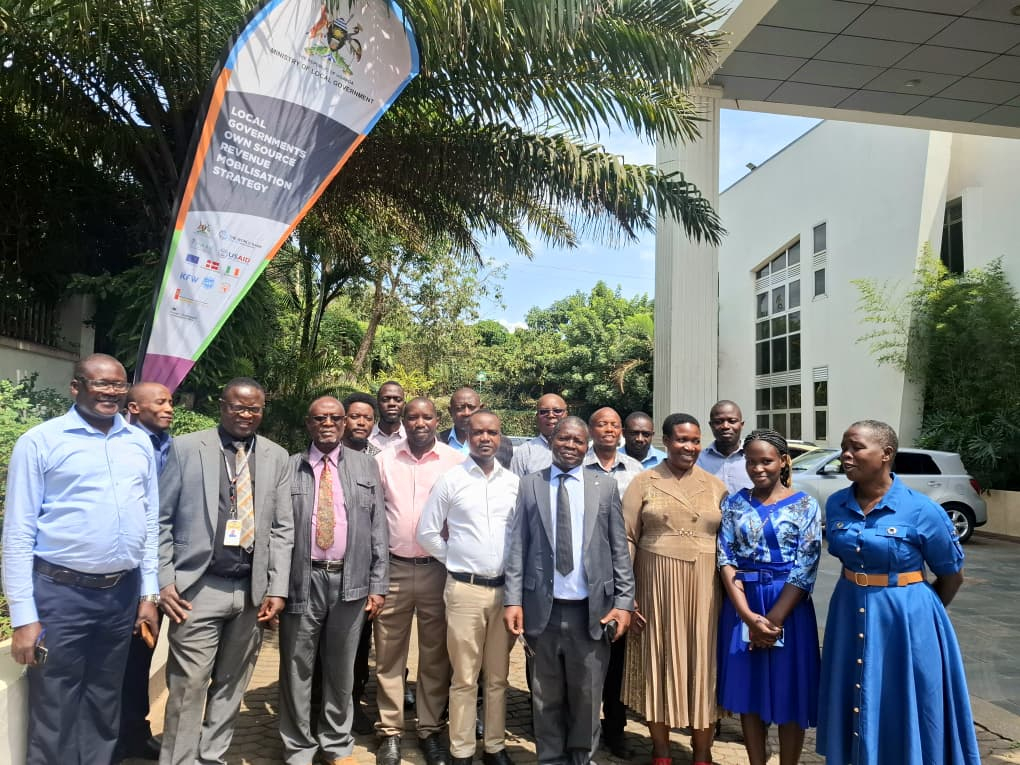
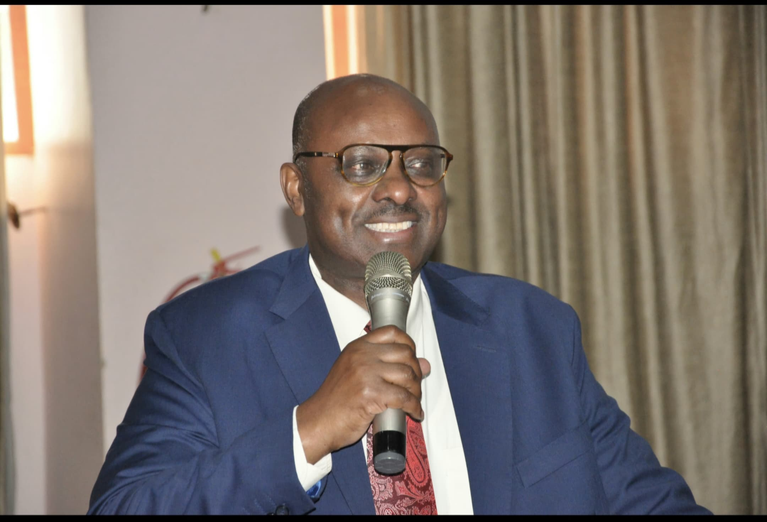
The Permanent Secretary, Ministry of Local Government, Ben Kumumanya, has called upon technical and political leaders to build Local Governments that are financially independent, resilient and capable of transforming the lives of Ugandans.
Kumumanya’s message was delivered by Onesmus Mulondo, the Finance Programme Management Specialist for Local Government Public Finance Management reforms, in Masaka City during a training session for area leaders on September 28, 2026.
Kumumanya said that fiscal decentralisation was never intended to make Local Governments permanently dependent on the centre.
“It was intended to empower you to drive local economic development using local resources. With the growing public demands for better roads, clean water, education and improved health care, we must generate our own resources to meet these expectations,” he said.
He advised the finance managers to focus on financial stability as they prepare to transition into the next planning cycle.
He advised them to focus local government plans on complete digitalisation as a weapon against revenue leakages caused by cash collections.
He cautioned them against overtaxing the same small businesses.
“This will be possible if you map out property valuations, explore local tourism potential, formalise public markets and leverage public-private partnerships to build commercial assets,” he said.
He encouraged the Finance managers to prioritise comprehensive taxpayer registration and regular updates of the revenue register, pointing out that it is not possible to collect taxes from taxpayers you do not know.
“Revenue collection should be data-driven,” Kumumanya stressed.
He told the technical officers to be accountable and to build taxpayer confidence. He added that citizens will only pay taxes if they see value for their money, through continuous sensitisation and improved local service delivery.
He warned that renewal of performance contracts will be dependent on the ability of the local government to meet its own revenue targets.
“We will no longer tolerate passive leaders that watch local revenue decline while blaming the centre for budget cuts.”
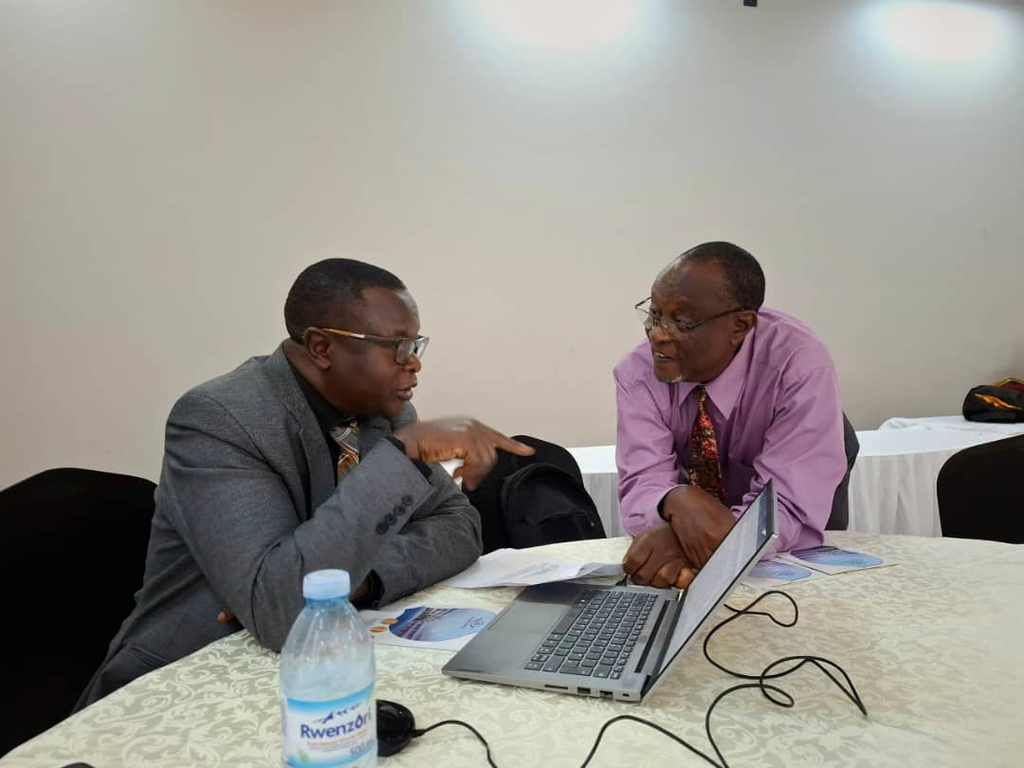
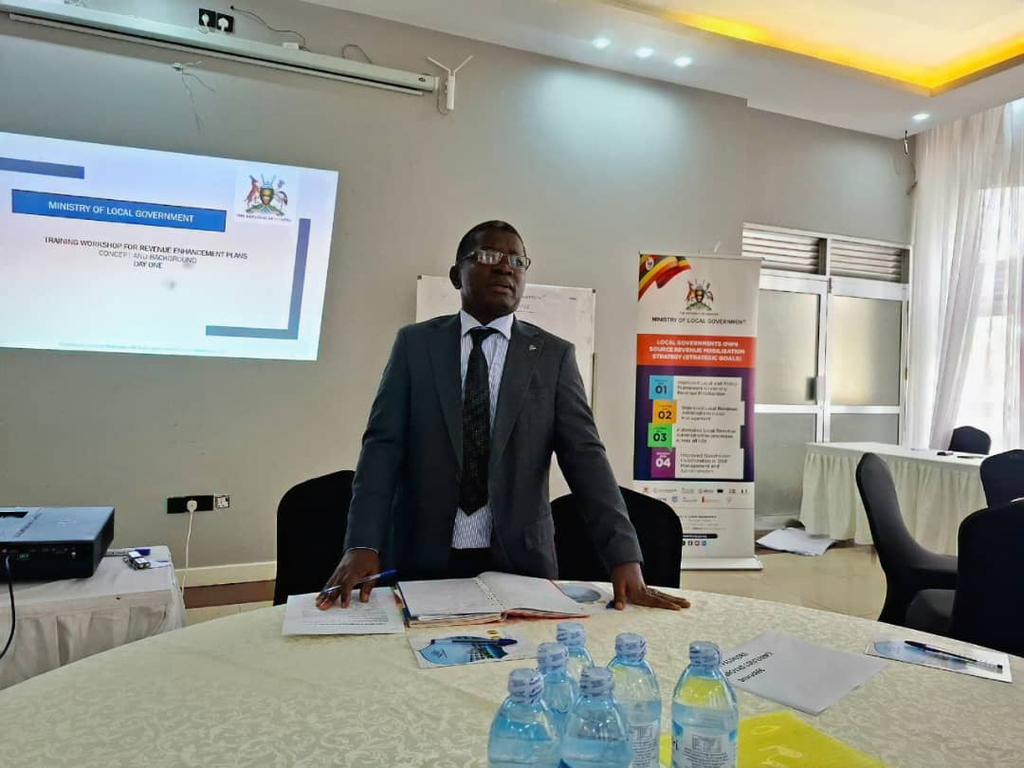
The training is conducted by Patrick Kandole, a revenue consultant at Hotel Brovad in Masaka City.
At the end of the five-day training, participants are expected to come up with local revenue profiles showing revenue sources, trends, gaps, and potential. They will also develop annual revenue targets, realistic revenue projections and strategic action plans. This will also include appropriate monitoring, evaluation, and reporting frameworks, plus a validated draft revenue enhancement plan.
The training workshop is part of the Ministry of Local Government (MOLG) initiative to develop Revenue Enhancement Plans (REPs) to strengthen fiscal sustainability and accountability. The initiative is also expected to support the implementation of the local government Revenue Mobilisation Strategy (LG-RMS).
The training will support local governments in developing a framework for developing revenue enhancement plans.
Participants will be equipped with skills in revenue projection, strategies for revenue enhancement and monitoring, evaluation and coordination frameworks.
Other regional training workshops will be held in Lira, Moroto, Mbale and Mbarara.
Joyce Babirye
Principal Communication Officer
Ministry of Local Government