
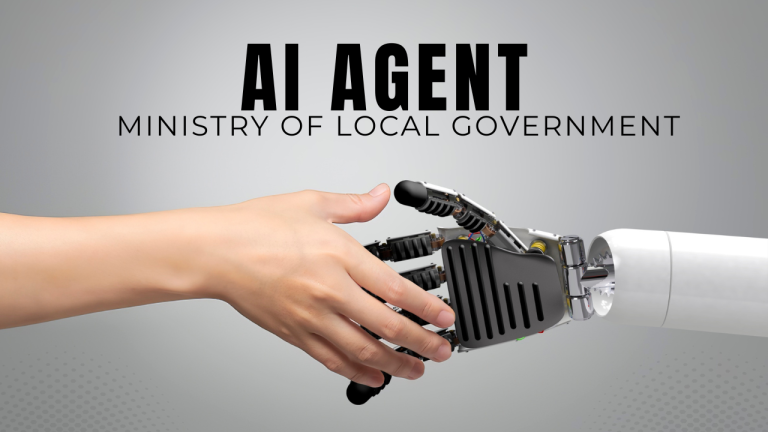
Uganda’s public sector is entering a new phase of digital transformation as artificial intelligence becomes an increasingly important tool for improving access to information, automating routine processes and strengthening service delivery.
The Ministry of Local Government (MoLG), working with Ugandan technology company Nile AI Solutions, is embracing the potential of artificial intelligence through the development of an AI-powered digital assistant designed to make information and services easier to access.
The initiative reflects a broader shift taking place across Uganda as government, businesses, innovators and other institutions explore practical applications of artificial intelligence. Uganda is currently developing its National AI and Emerging Technologies Strategy, with government consultations focusing on responsible AI adoption, digital transformation, innovation, infrastructure and skills development.
Bringing Artificial Intelligence Closer to Citizens
The AI agent is designed around a simple idea: make important information easier for people to find, understand and use.
Instead of requiring users to search through multiple pages, documents or information sources, an AI-powered assistant can provide a conversational interface through which users can ask questions in natural language.
For example, users could ask questions relating to local government structures, decentralisation, administrative processes, Ministry programmes, policies, reports and other publicly available information.
The technology can also provide a foundation for future intelligent services, including document discovery, frequently asked questions, information routing and automated assistance.
Rather than replacing government personnel, the objective of an AI agent is to support people by reducing repetitive information-related work and improving access to knowledge.
Why AI Matters for Local Government in Uganda
Local governments are responsible for delivering many services that directly affect the daily lives of Ugandans. As institutions continue to digitise their operations, artificial intelligence presents opportunities to make information more accessible and processes more efficient.
An intelligent government assistant could help:
- Answer frequently asked questions.
- Help citizens find relevant government information.
- Guide users towards the correct departments or resources.
- Summarise lengthy public documents.
- Support staff in locating organisational information.
- Improve access to information outside traditional office hours.
- Create a more conversational and user-friendly digital experience.
The opportunity extends beyond chat. AI can be integrated into broader digital systems to support document processing, workflow automation, reporting, analytics and knowledge management.
For Uganda, this comes at an important time. Government and international partners have recently been assessing the country’s readiness to adopt artificial intelligence, while the development of Uganda’s National AI and Emerging Technologies Strategy continues to place responsible AI adoption on the national agenda.
A Ugandan Company Building AI for African Organisations
At the centre of the initiative is Nile AI Solutions, an African technology company focused on artificial intelligence, software development, automation and digital transformation.
The company develops AI software, intelligent automation systems, AI agents and custom digital platforms for organisations in Uganda and across Africa. Its approach focuses on applying AI to practical organisational challenges rather than using artificial intelligence simply as a trend.
Nile AI Solutions is part of a growing generation of Ugandan technology companies building locally relevant digital products for African users.
Its product portfolio demonstrates how AI and modern software can be applied across different sectors.
NileFlow
NileFlow is an AI-powered customer service, sales and automation platform developed by Nile AI Solutions.
The platform allows organisations to build AI assistants using approved business knowledge, respond to enquiries, capture leads and manage conversations from a central workspace.
This same approach to AI-powered knowledge assistants can be adapted to institutional environments where users need fast access to reliable organisational information.
Explore NileFlow: https://nileflow.nileai.solutions
NileFlow – AI customer service and automation platform
Zabuni AI
Zabuni AI is Nile AI Solutions’ tender intelligence platform, designed to help organisations discover, qualify and manage tender opportunities.
The platform demonstrates another application of artificial intelligence: processing large amounts of information and helping users identify what is relevant to them.
NileStock AI
NileStock AI is a retail and inventory management platform designed for small businesses.
It combines point-of-sale functionality, inventory management, business reporting and other digital tools to help retailers manage their operations more efficiently.
Together, products such as NileFlow, Zabuni AI and NileStock demonstrate the company’s broader approach: build technology around real operational problems faced by African organisations.
Nile AI Solutions describes this philosophy as building intelligent systems that understand information, automate repetitive work and help organisations make faster and better decisions.
From Chatbots to AI Agents
A major development in artificial intelligence is the move from simple chatbots to more capable AI agents.
A traditional chatbot may answer a predefined set of questions. An AI agent can go further by understanding a request, retrieving relevant information, carrying out defined actions and escalating situations that require human intervention.
For government institutions, this creates opportunities for digital assistants that are connected to approved institutional information and workflows.
A simplified model looks like this:
Citizen or staff member → AI agent → Approved information → Intelligent response → Human escalation where required
The emphasis is therefore not simply on generating text. It is on creating a useful digital layer between people and information.
Responsible AI Must Come First
As artificial intelligence becomes more widely adopted, trust, privacy, accuracy and human oversight become increasingly important.
Nile AI Solutions states that its AI systems are designed around principles including approved organisational knowledge, appropriate access controls, human oversight, privacy, security, fairness and continuous evaluation.
This is particularly important for public-sector applications, where information can affect citizens, institutions and communities.
An AI system should therefore complement official information and established government processes rather than becoming an unchecked replacement for them.
Uganda’s Growing AI Ecosystem
The development of AI applications by Ugandan technology companies comes at a significant moment for the country’s technology ecosystem.
In 2026, the Government of Uganda and UNESCO validated Uganda’s AI Readiness Assessment, bringing together government, academia, the private sector, civil society and technology innovators. The assessment identified opportunities for AI while also highlighting the need for stronger digital infrastructure, AI literacy, data governance and appropriate regulation.
Uganda’s Ministry of ICT and National Guidance has also been leading stakeholder consultations for the country’s National AI and Emerging Technologies Strategy. The strategy is intended to guide both the adoption and governance of emerging technologies across sectors.
Against this background, practical AI projects developed within Uganda can contribute to demonstrating what responsible and locally relevant artificial intelligence can look like.
The Future of AI in Uganda
The emergence of AI assistants within government and other institutions could represent the beginning of a much larger transformation.
Future systems could help citizens access government information, support public-sector employees, analyse documents, automate administrative workflows, improve reporting and connect multiple digital services through intelligent interfaces.
The important question is no longer simply whether artificial intelligence can be used in Uganda.
It is where AI can create measurable value, how it can be deployed responsibly, and how Ugandan innovators can build systems that address Uganda’s own challenges.
The collaboration between the Ministry of Local Government and Nile AI Solutions represents an example of that direction: combining public-sector needs with locally developed artificial intelligence and modern software engineering.
As Uganda continues to strengthen its digital economy and develop its national approach to artificial intelligence, partnerships between government institutions and local technology companies could play an important role in turning AI from an emerging technology into a practical tool for national development.
About Nile AI Solutions
Nile AI Solutions is an African technology company building AI-powered software, intelligent automation systems, AI agents and digital platforms for organisations in Uganda and across Africa.
Its products and services include AI agents, business automation, custom AI software, intelligent knowledge systems, digital platforms and AI consulting.
The company’s growing portfolio includes NileFlow, Zabuni AI and NileStock AI, among other digital products designed around practical organisational needs.
Website: https://www.nileai.solutions/