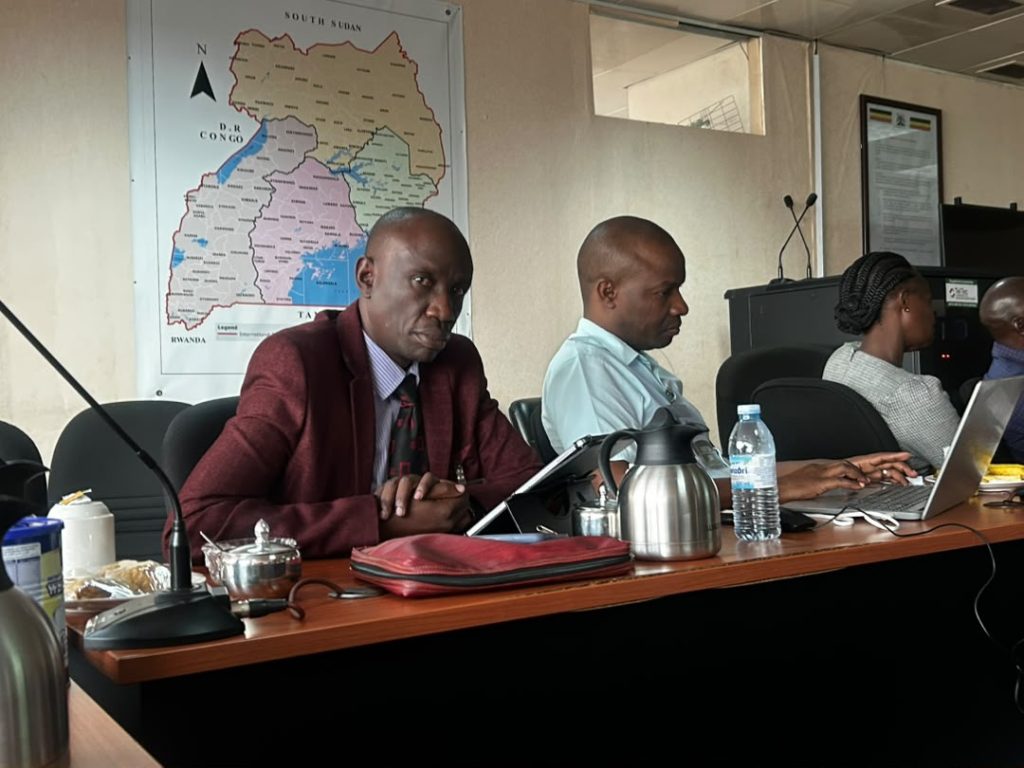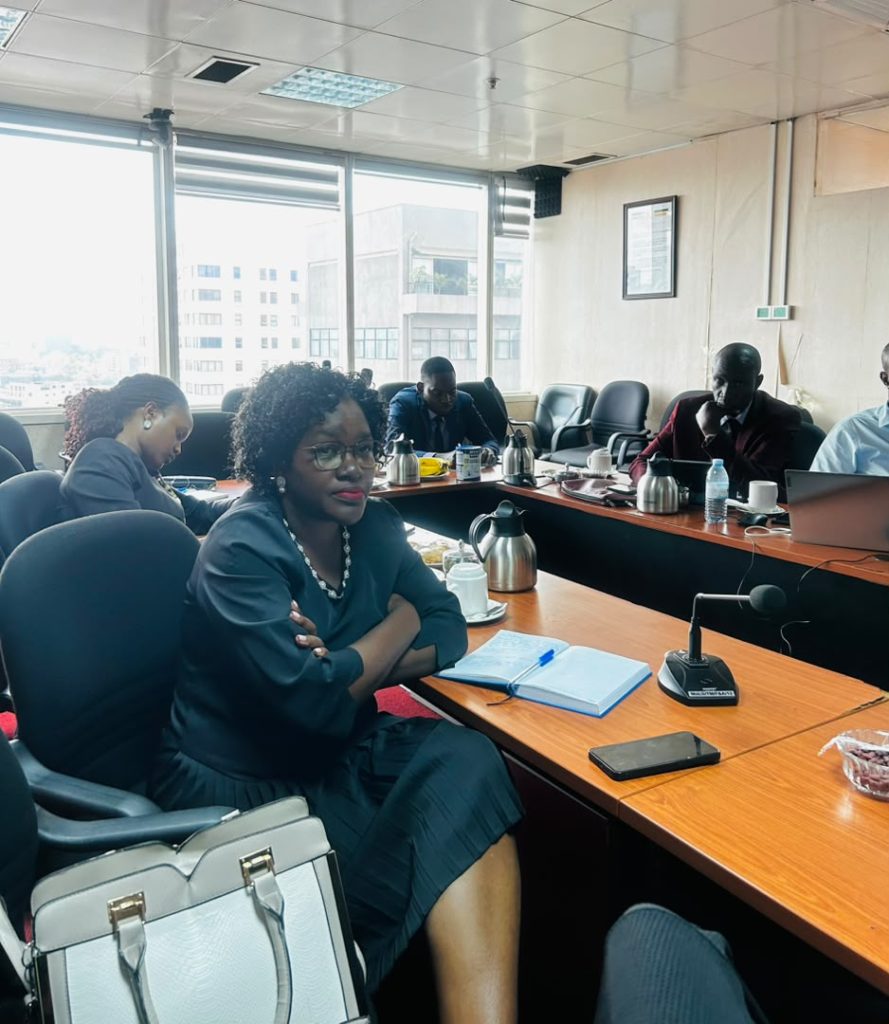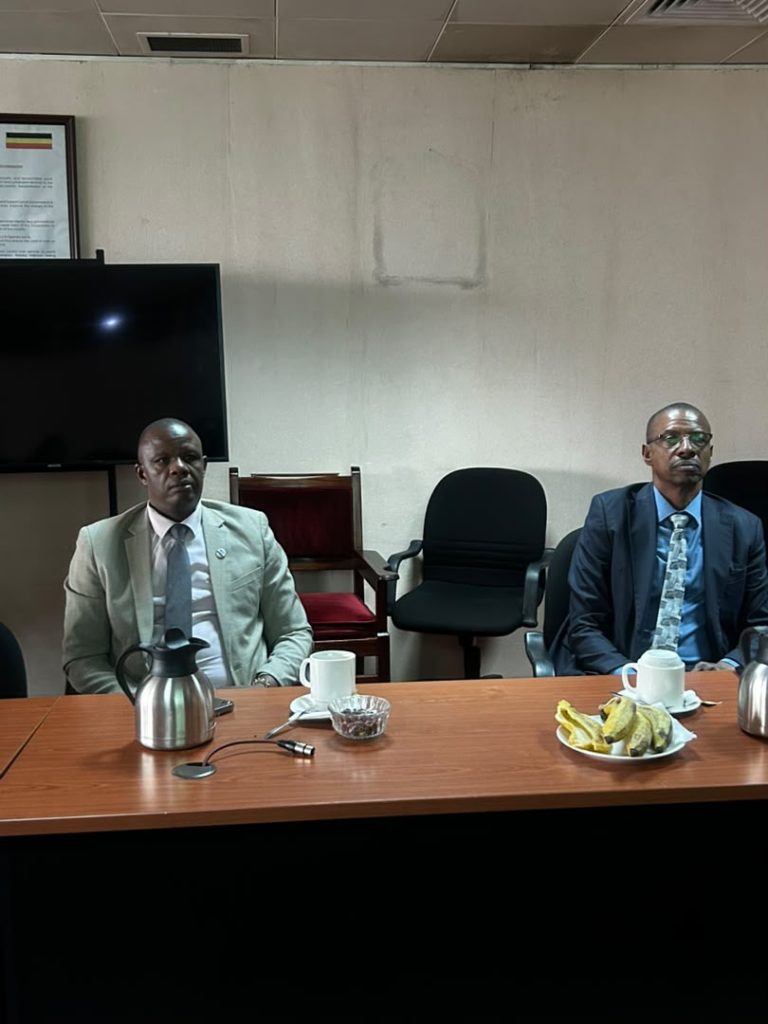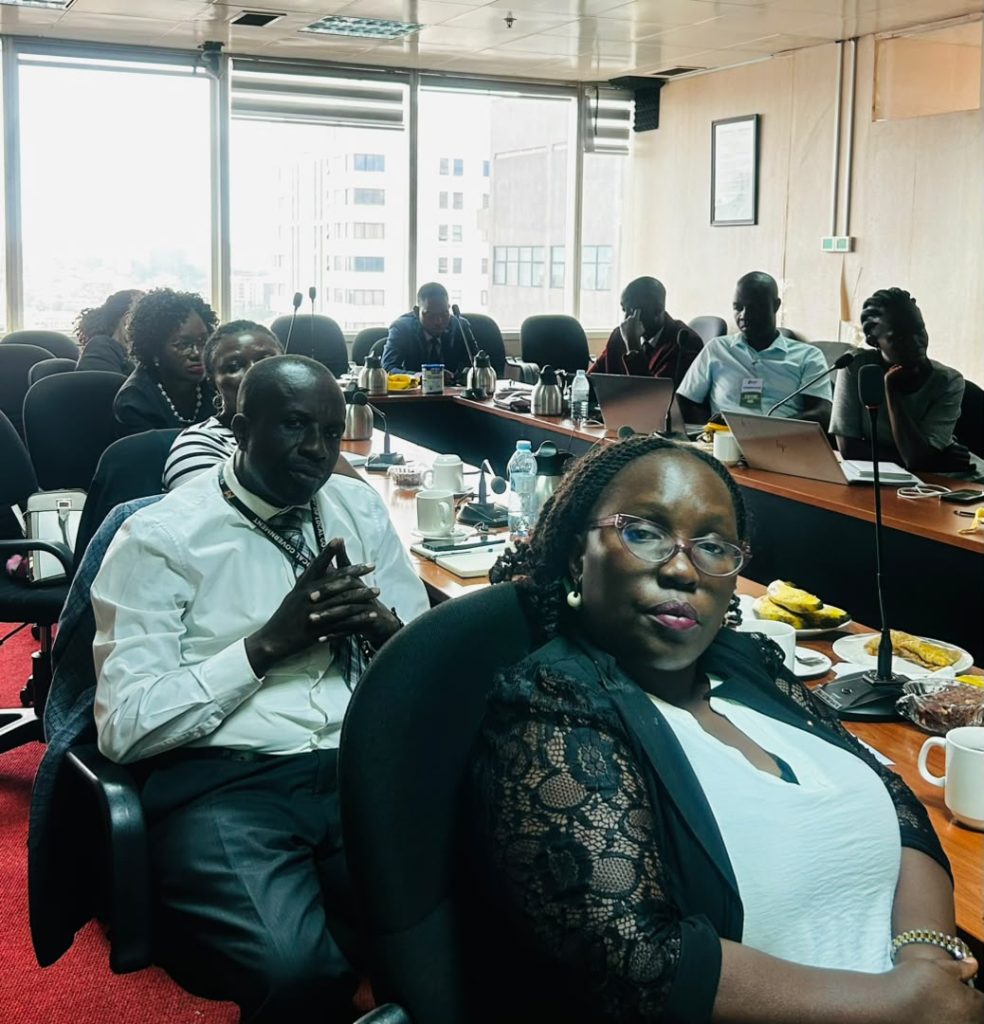
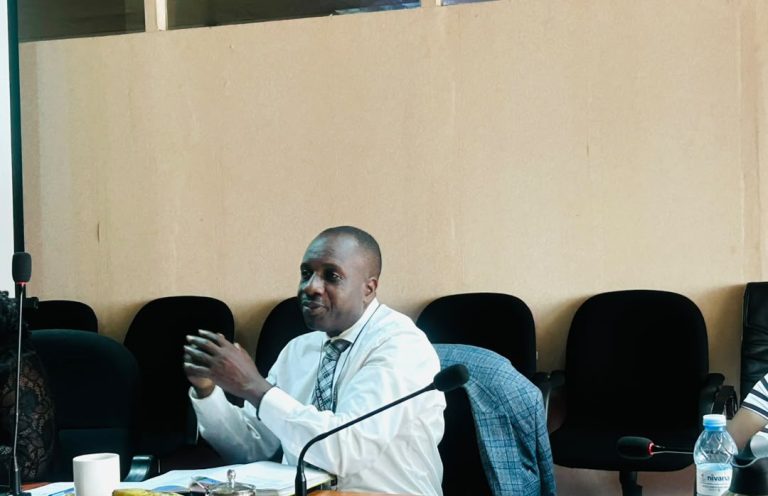
The Ministry of Local Government is advancing implementation of key provisions of the Waste Management Policy as it prepares for its wider rollout, with Local Governments, the private sector and waste collectors among the key actors targeted to drive implementation at community level.
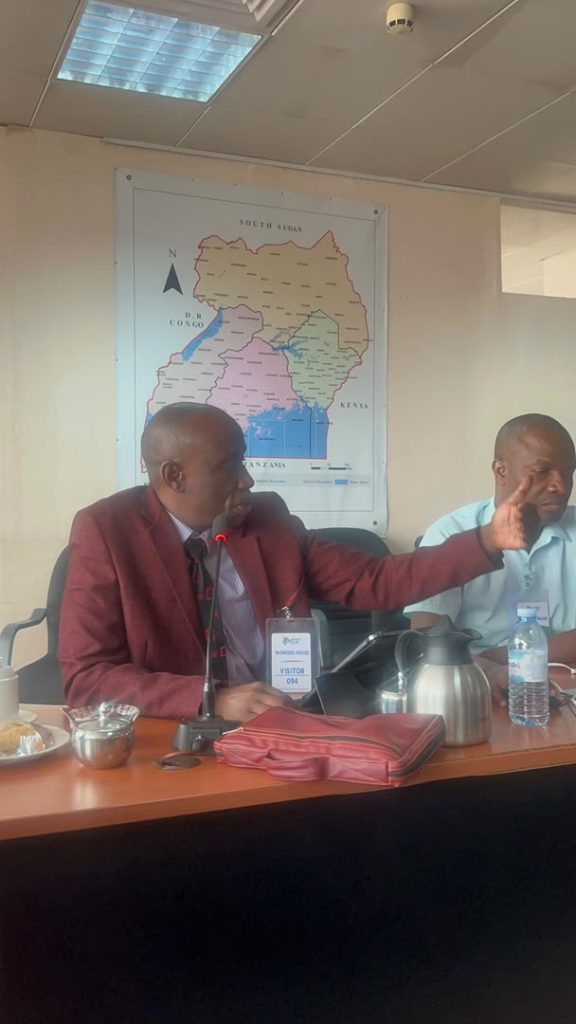
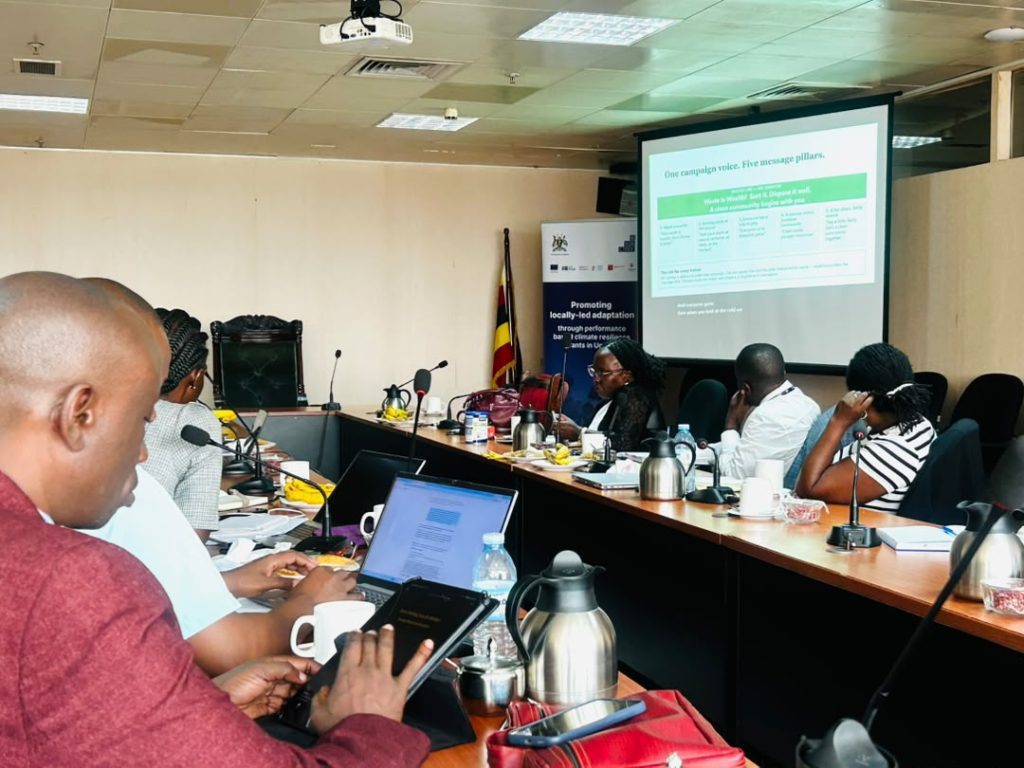
The meeting brought together relevant stakeholders to discuss the policy, review the proposed implementation approach and validate materials to support its rollout.
Developed following a Cabinet directive, the policy seeks to provide a coordinated approach to managing waste generated across different sectors, much of which ultimately has to be managed within Local Governments. While the policy awaits final approval, the Ministry says implementation of some provisions has already begun.
“We are doing low-hanging fruits as we wait for policy approval. The National Cleaning Days and Trade Order are already provided for in the policy. We have also established a digital stakeholder platform to bring stakeholders on board,”Julius Masereka, who chaired the meeting on behalf of the Permanent Secretary, said.
A key focus of the policy is to ensure that waste management begins at source, including at household level, rather than concentrating interventions at the point of final disposal. Households and other waste generators will be encouraged to separate waste into categories such as decomposable and non-decomposable waste, making collection, recycling and recovery easier. This would reduce waste reaching disposal facilities and lower disposal costs for Local Governments.
The approach supports a broader circular economy in which more waste is recovered, recycled or converted into useful resources instead of simply being discarded.
The policy also provides for the “polluter pays” principle, under which those who generate waste contribute towards the cost of its collection and management. Participants emphasised the need for community sensitisation alongside enforcement to promote adherence to waste-management requirements.
Land availability emerged as a major implementation challenge, with some Local Governments struggling to acquire land for material recovery and final disposal facilities. Stakeholders therefore highlighted the need for regional solid waste management facilities that could serve several Local Governments and help reduce the high costs associated with terminal disposal.
The policy proposes involvement of schools in sensitisation, with young people seen as potential agents of behavioural change within households and communities.
To support implementation, the Ministry, with support from the United Nations Development Programme (UNDP), engaged a consultant to develop policy briefs, and training materials targeting key actors in waste management. Focal persons will undergo Training of Trainers to support wider capacity building.
The engagement forms part of the “Promoting Circulating Economy and Waste Management in Cities” initiative aimed at addressing Uganda’s growing waste-management challenges.