Kampala, July 2026 – The Ministry of Finance, Planning and Economic Development (MoFPED) has urged Local Government inspectors to strengthen evidence-based budget analysis to ensure district plans, procurement processes, and expenditures translate into tangible service delivery outcomes.
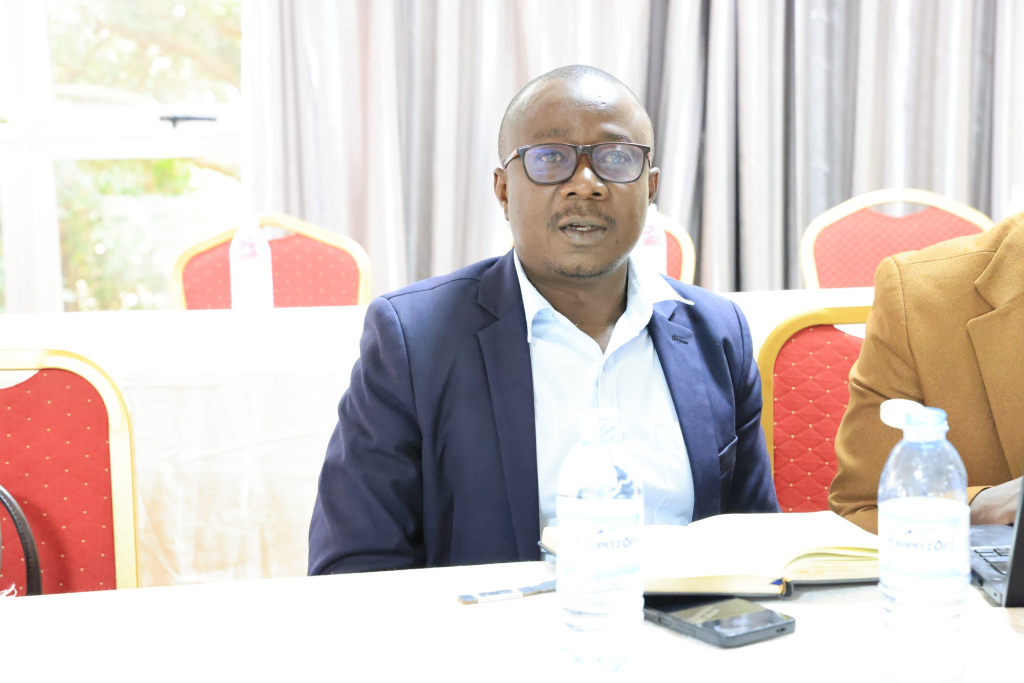
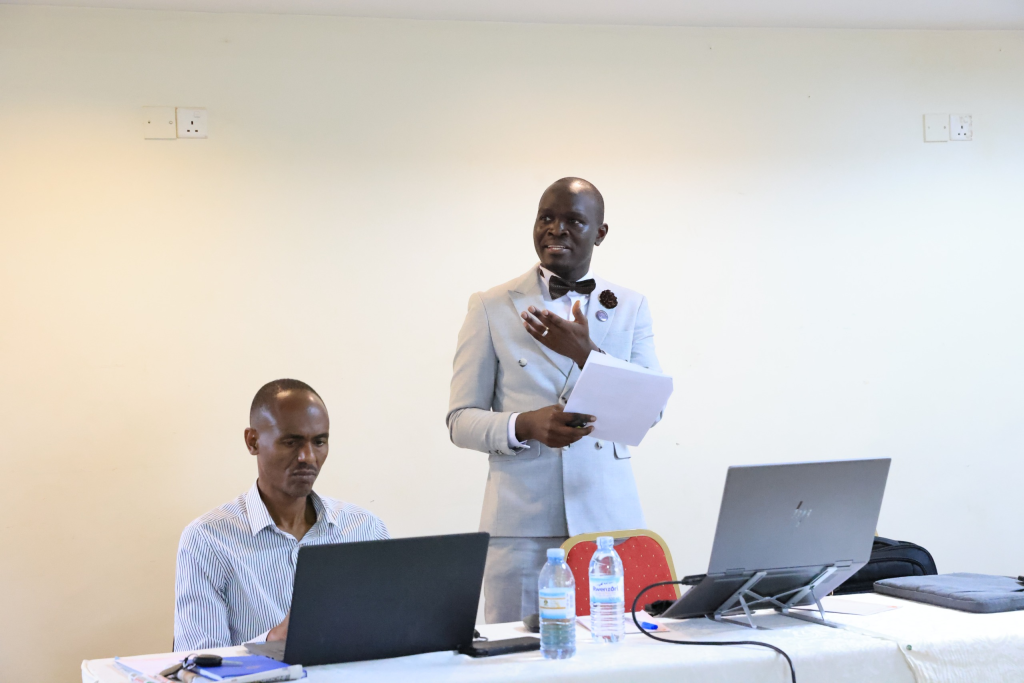
Speaking on the second day of the Ministry of Local Government’s ongoing three-day training on Human Capital Development Budget Analysis, Mr. Kato Sylvester of MoFPED led a hands-on practical session on the analysis of district budgets, work plans, procurement plans, and expenditure reports.
Mr. Kato emphasized that inspectors must move beyond reviewing figures in isolation and instead assess whether district planning documents tell a coherent implementation story that demonstrates how approved resources are converted into real services for citizens. The session focused on analysing the relationship between budgets, work plans, procurement timelines, and expenditure reports. “The four documents should tell one coherent implementation story.” “The core question is whether allocations, activities, procurement milestones, and expenditure are aligned.” “A district budget is not just about how much money is approved. The real test is whether the planned services can actually be delivered within the available resources and procurement timetable.” “Start with the result, not the spreadsheet.” “Inspectors must first agree on the service-delivery question before analysing figures. We are not auditing spreadsheets; we are assessing whether citizens will receive the intended services.”
During the practical session, participants were introduced to a five-step review sequence covering scope selection, data extraction, reconciliation of documents, variance testing, and formulation of evidence-based conclusions. Mr. Kato explained that this systematic approach helps inspectors identify gaps, risks, and implementation bottlenecks that may undermine Human Capital Development investments.
He further noted that effective budget analysis requires examining the full chain of implementation—from approved budgets and releases to procurement actions, expenditure patterns, and physical progress on the ground. “High spending is not automatically good performance, and low spending is not necessarily poor performance.” “Expenditure must always be interpreted against verified physical progress and value for money.”
Using practical district examples, Mr. Kato demonstrated how inspectors can detect late procurements, unexplained expenditure gaps, and activities that are funded but not linked to procurement plans. He highlighted that such inconsistencies often explain why districts fail to achieve planned outputs despite substantial budget releases.
In one worked example, he illustrated a scenario where a district had achieved 75 percent release performance and 60 percent budget execution, yet physical progress remained at only 40 percent because the procurement contract was awarded in the fourth quarter. The exercise underscored the importance of timely procurement in achieving service delivery targets. “No single percentage gives the answer.” “Inspectors must use budget, procurement, expenditure, and physical progress information together to diagnose the real implementation constraint.”
Mr. Kato also called on inspectors to pay particular attention to material red flags such as activities without budgets, procurements completed after planned activity dates, large variances between approved and spent funds, payments without corresponding outputs, inequitable resource allocation, and the absence of operations and maintenance provisions.
Concluding the session, he challenged participants to produce decision-ready analyses that are concise, evidence-based, and actionable. “A strong conclusion combines evidence, explanation, consequences, and a feasible recommendation.” “Our role is to generate analysis that helps decision-makers improve service delivery, compliance, equity, and value for money.”